REDEFINING THE
VENEER EXPERIENCE

ARCHITECTURAL
VENEERS
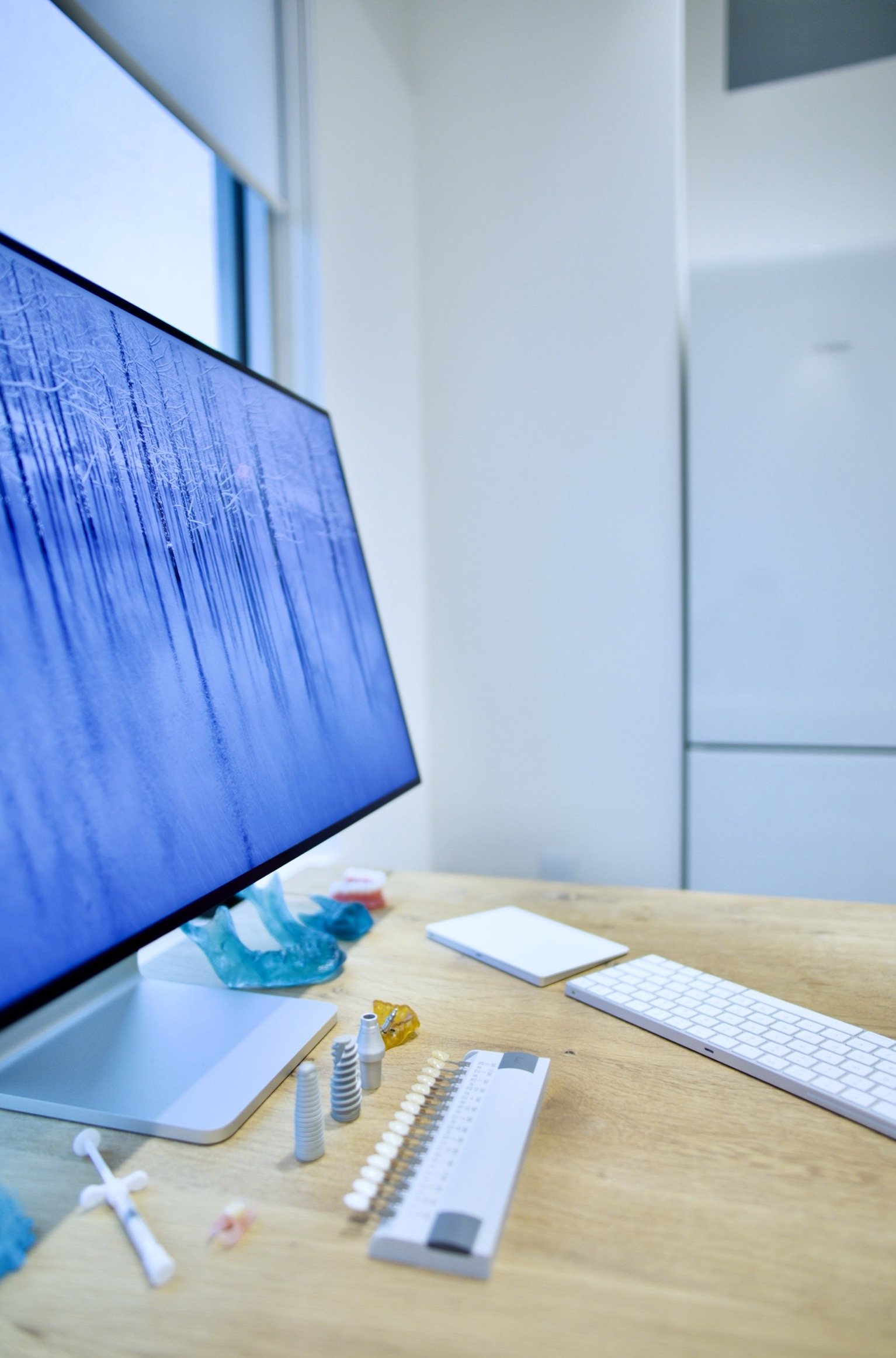
We’ll review the details of your Veneer project: shape, shade, translucency, materials, and texture. At the consultation, Dr. Heldt will take several photos in our State-of-the-Art Broncolor photo studio with a Hasselblad medium format camera. With your portrait photos instantly showing up on an Apple XDR Display, we can objectively discuss your project: goals, options, alternatives, benefits, investment pricing, process, timeline, limitations, and our recommendations.
Your customized design comes to life through a realistic prototype you can see, wear, and refine directly in real-time with Dr. Heldt. Once approved, this becomes the BLUEPRINT to produce the final teeth into porcelain, BUILT TO SPEC. This approach brings speed, clarity, and precision to every cosmetic and implant case we create. Explore our collection of Works to understand the differences in specifications and study our glossary of Services. Schedule a consultation for your customized plan.
2 VENEERS
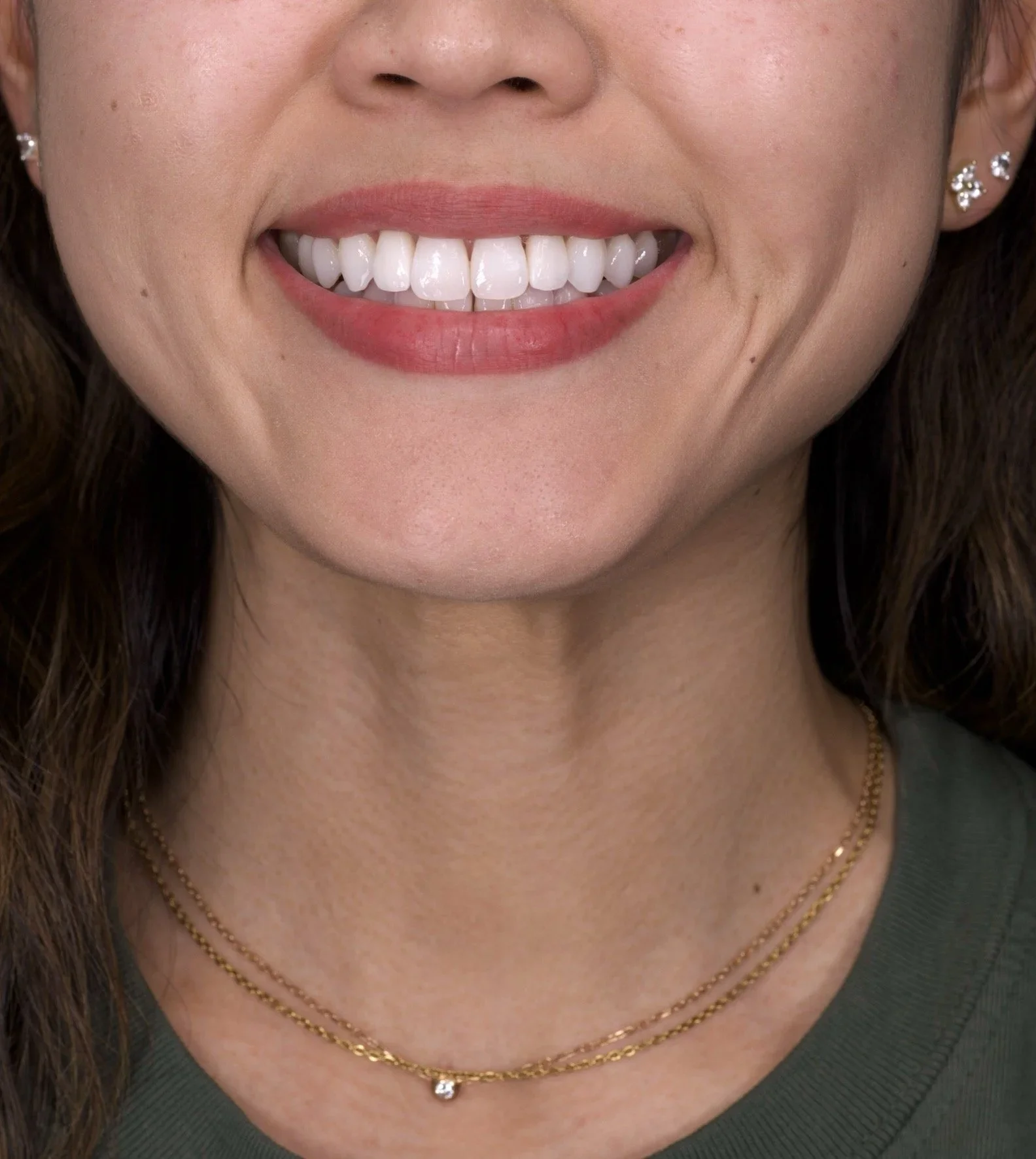
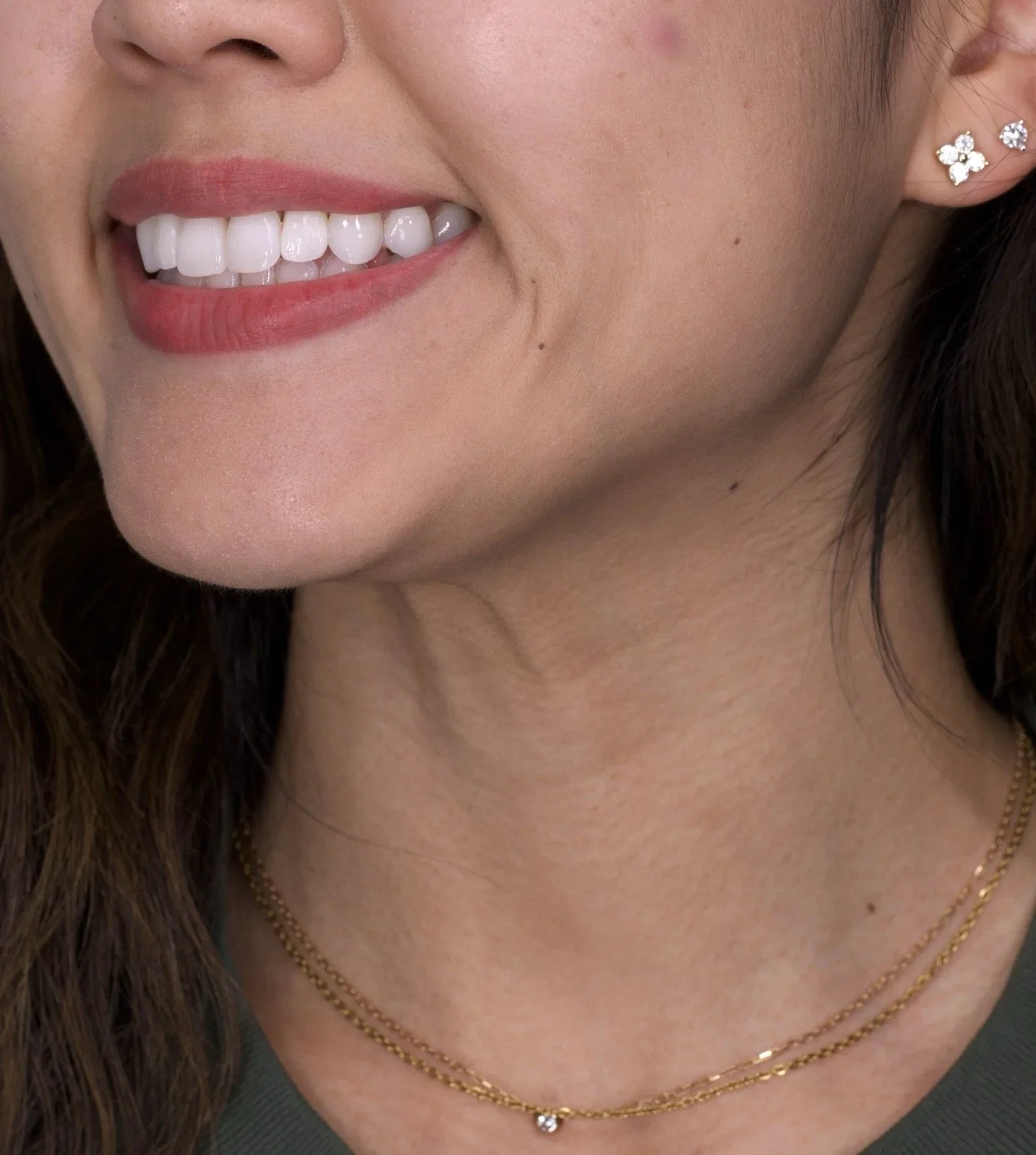
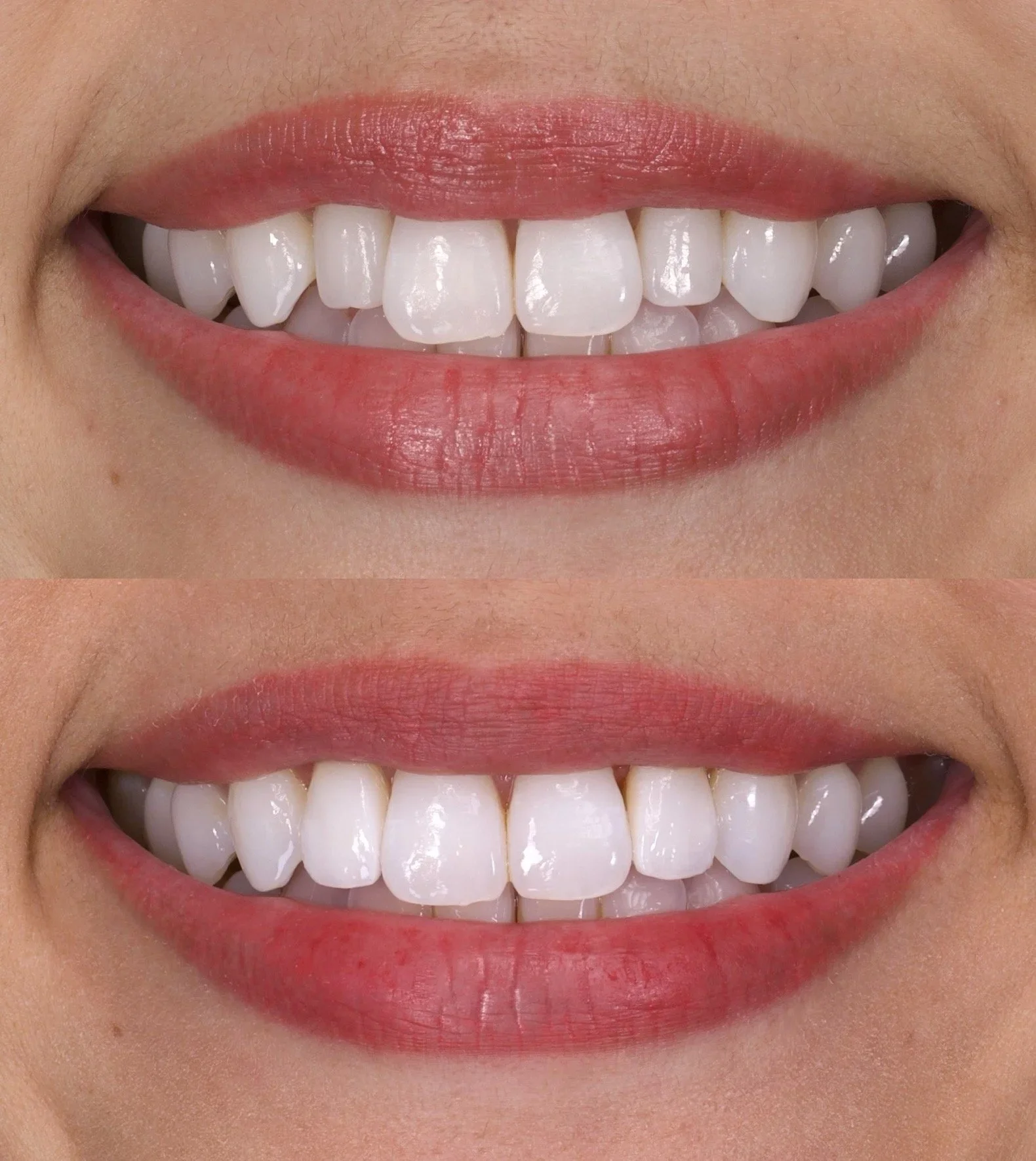
4 VENEERS
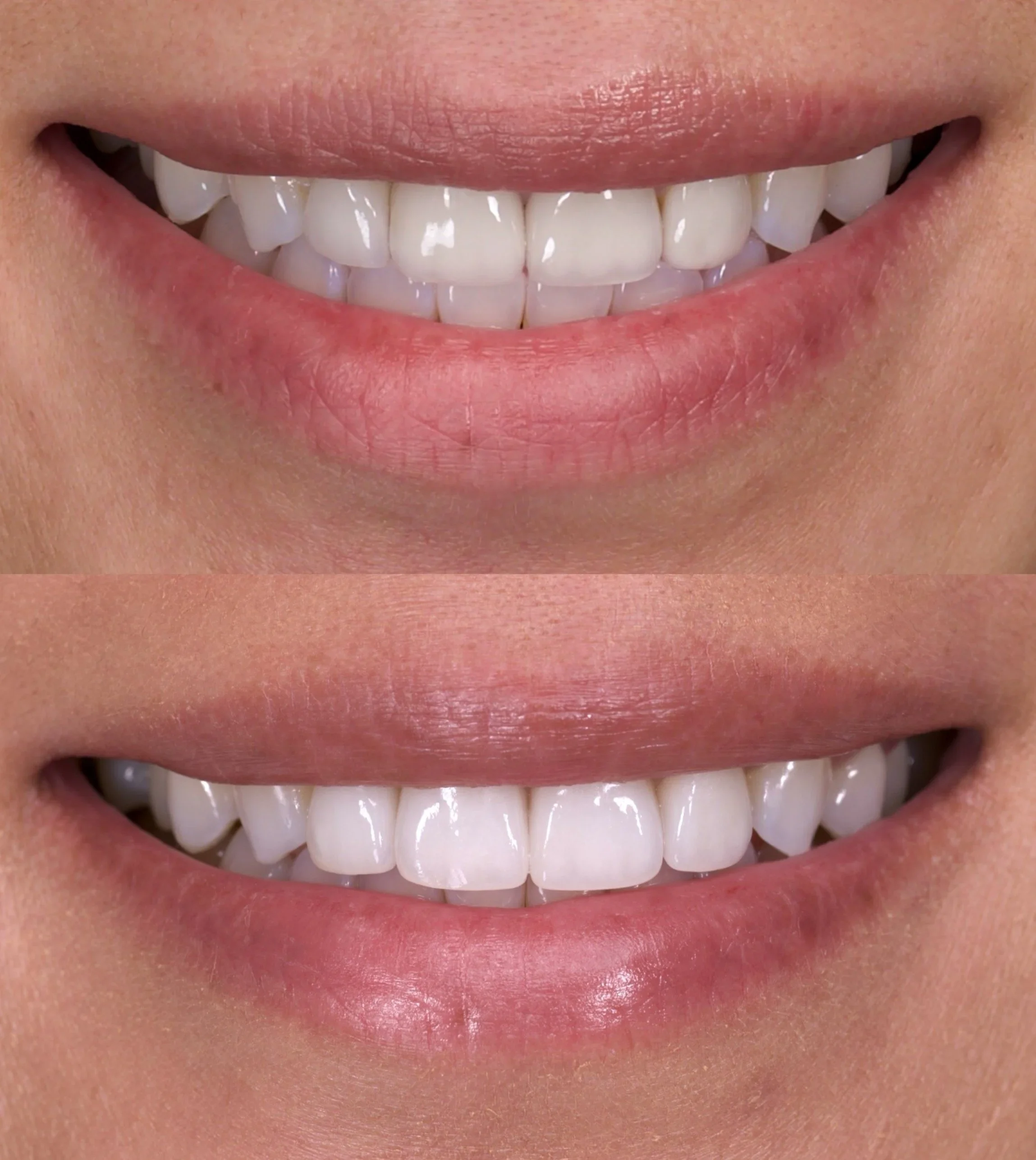
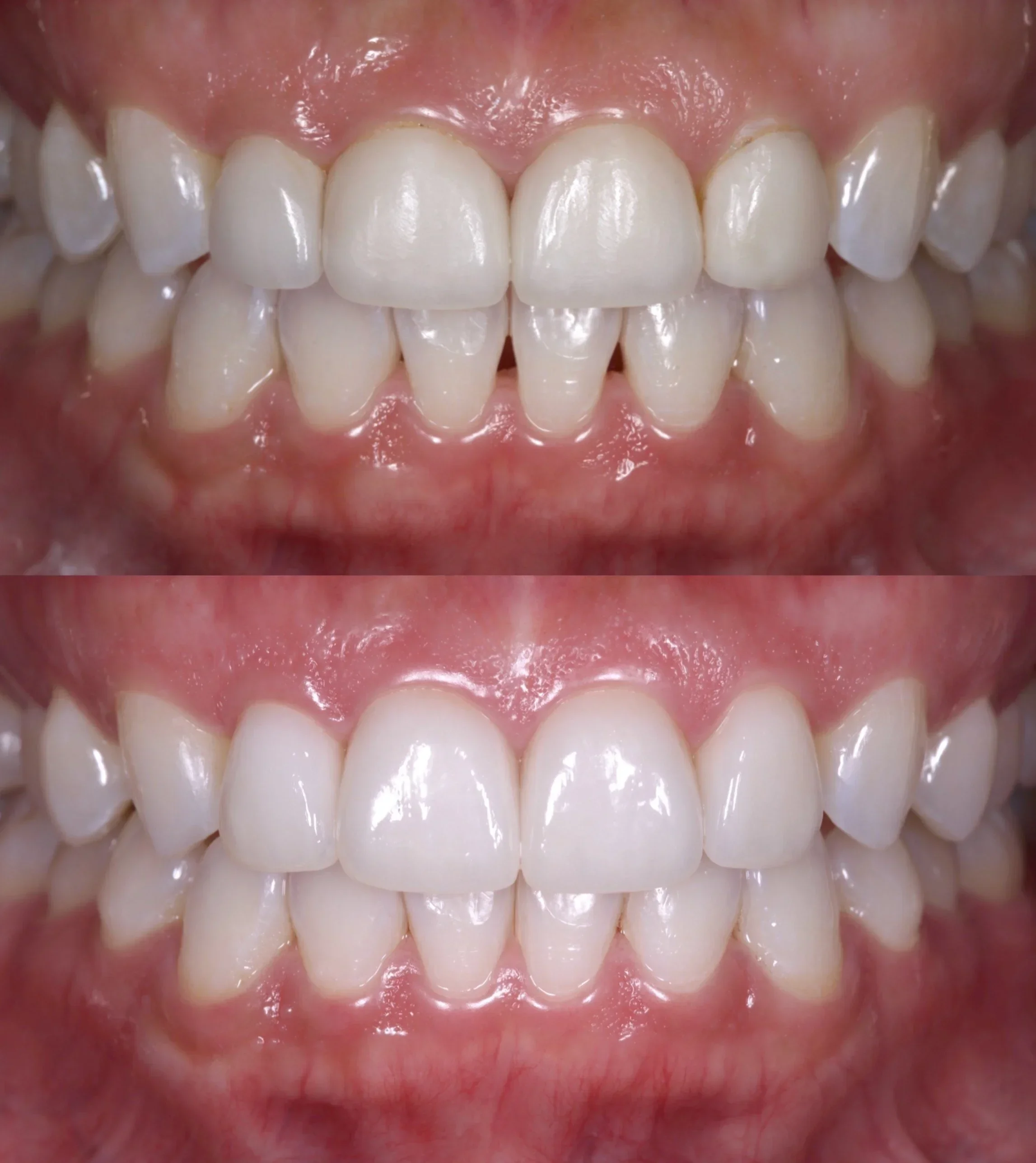
8 VENEERS
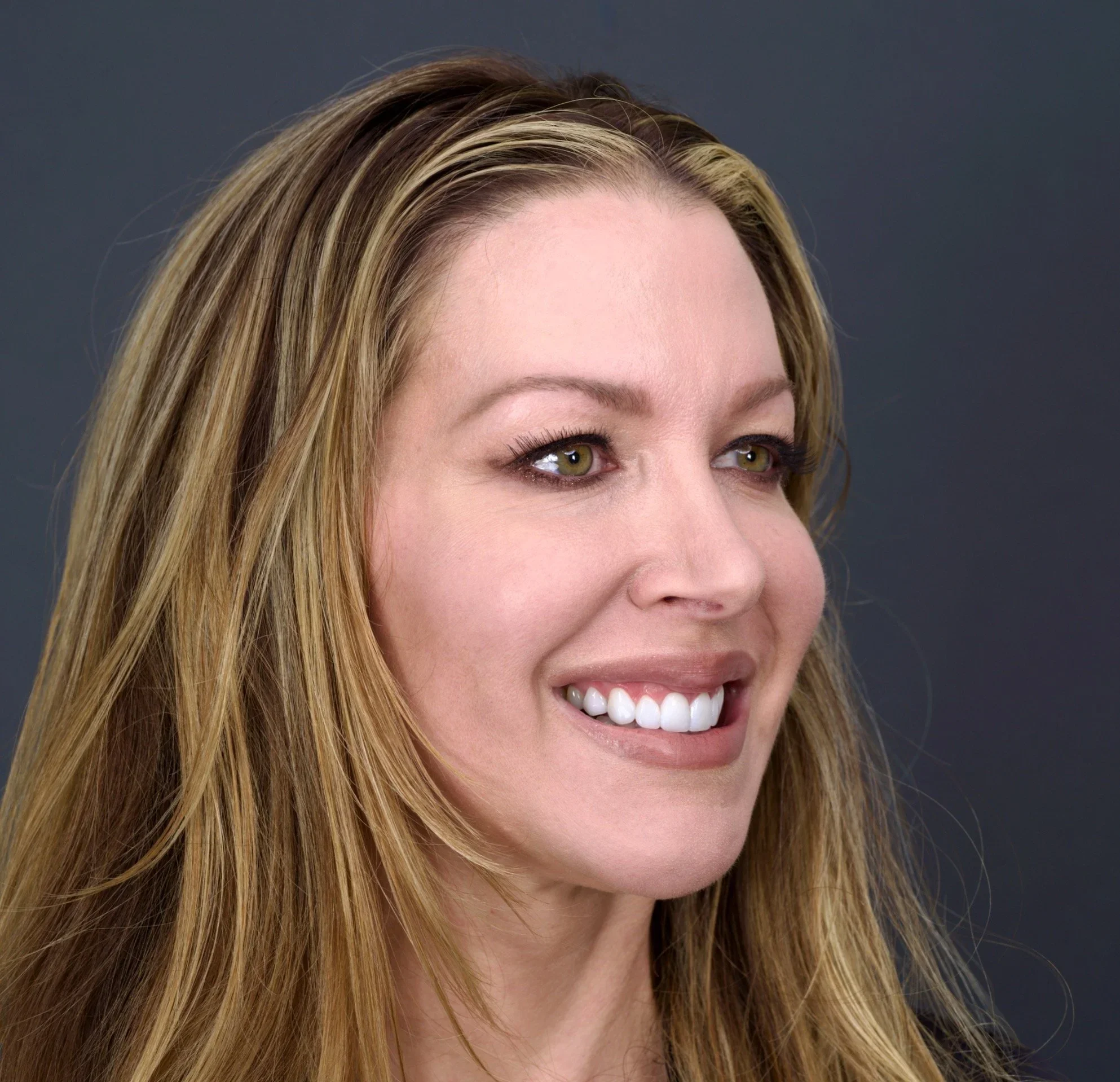
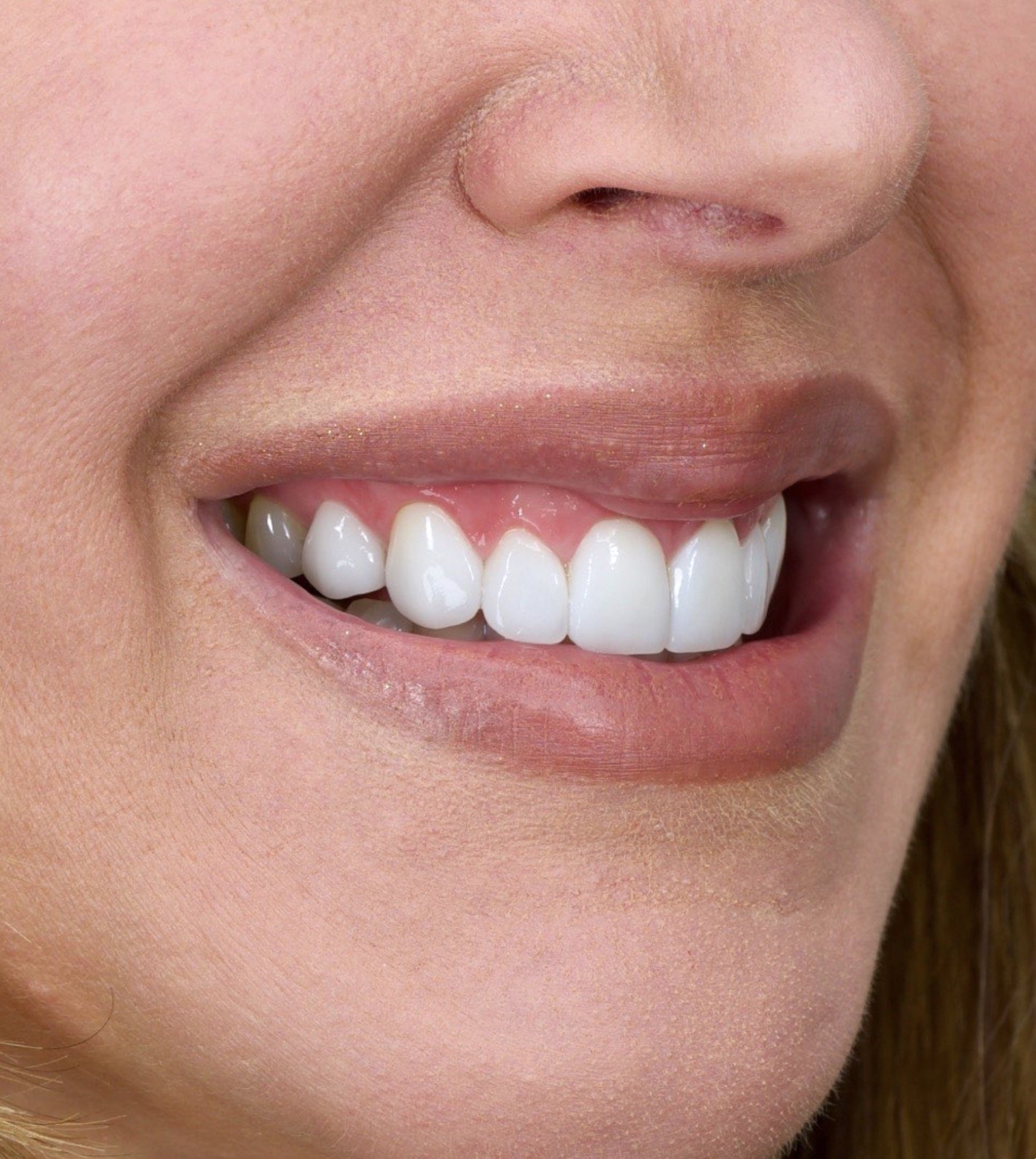

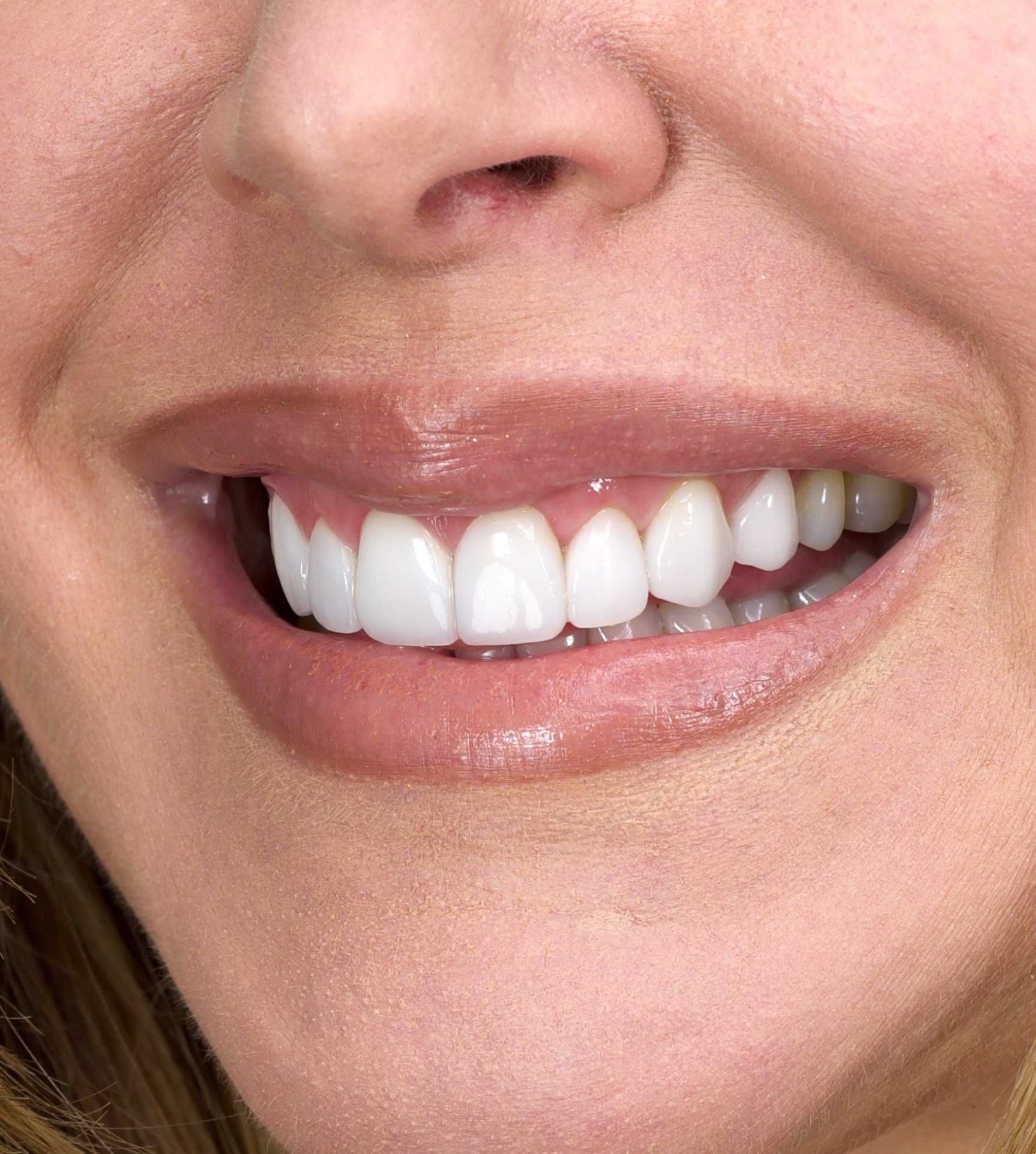
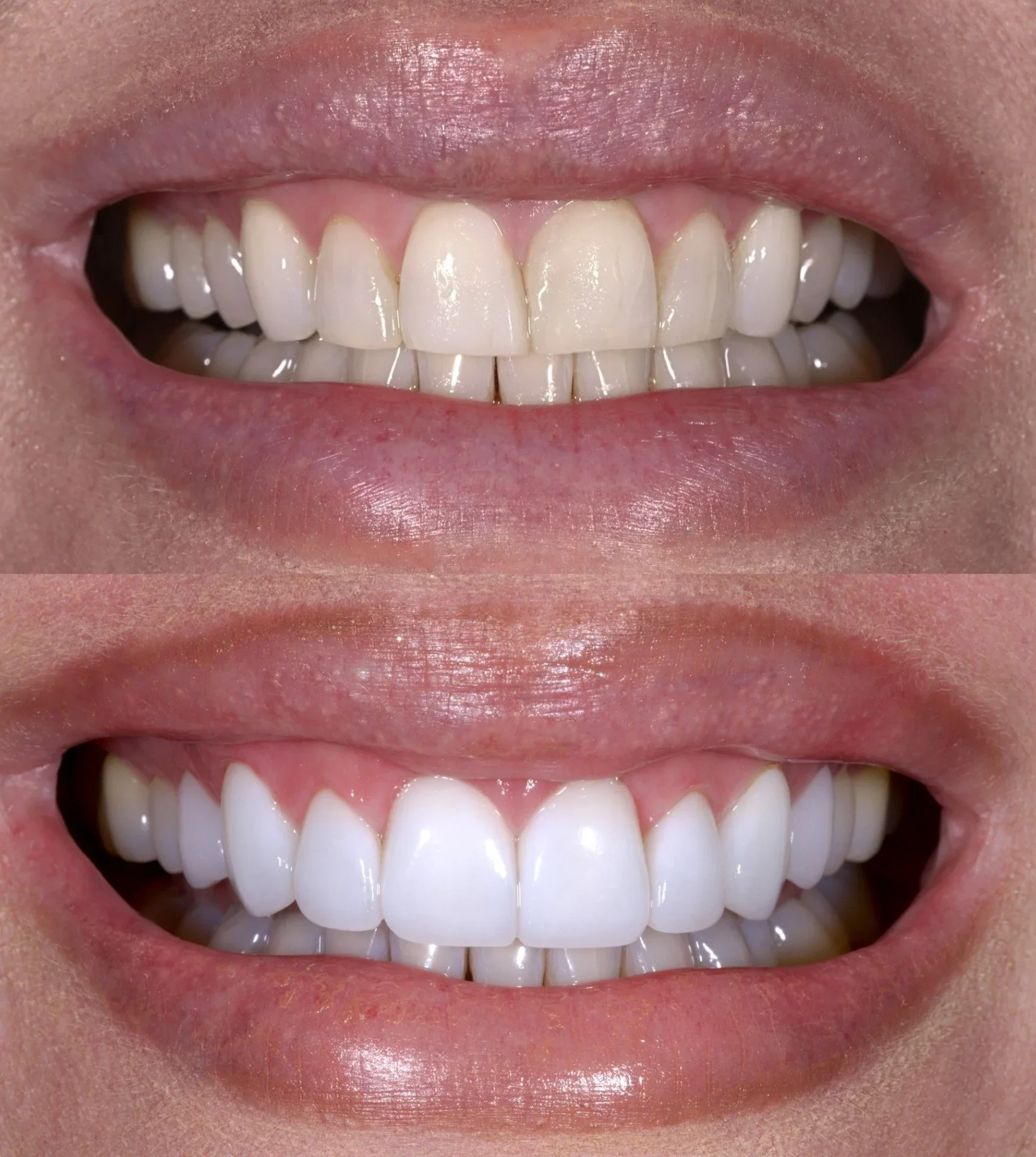
10 VENEERS
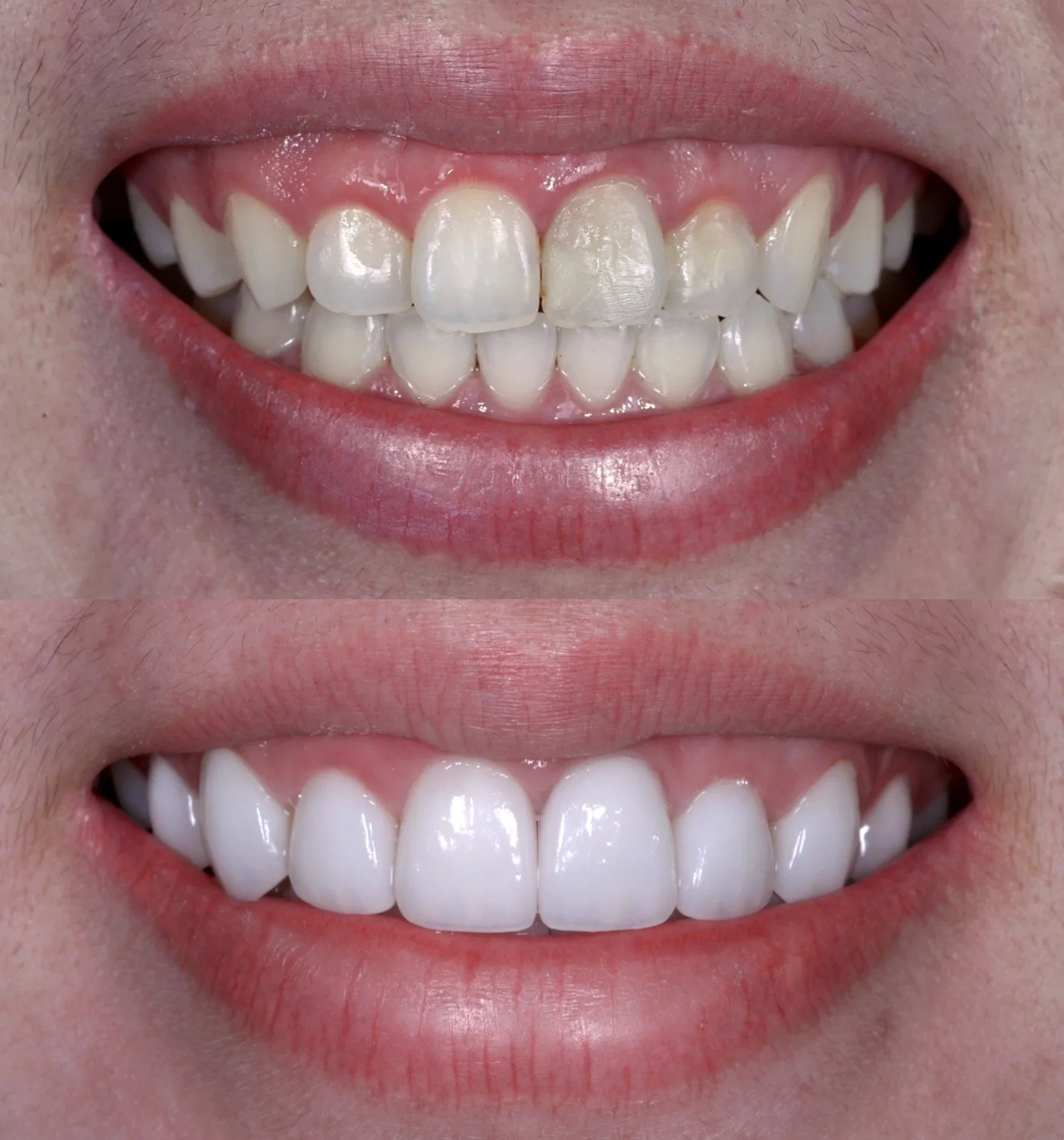
11 VENEERS
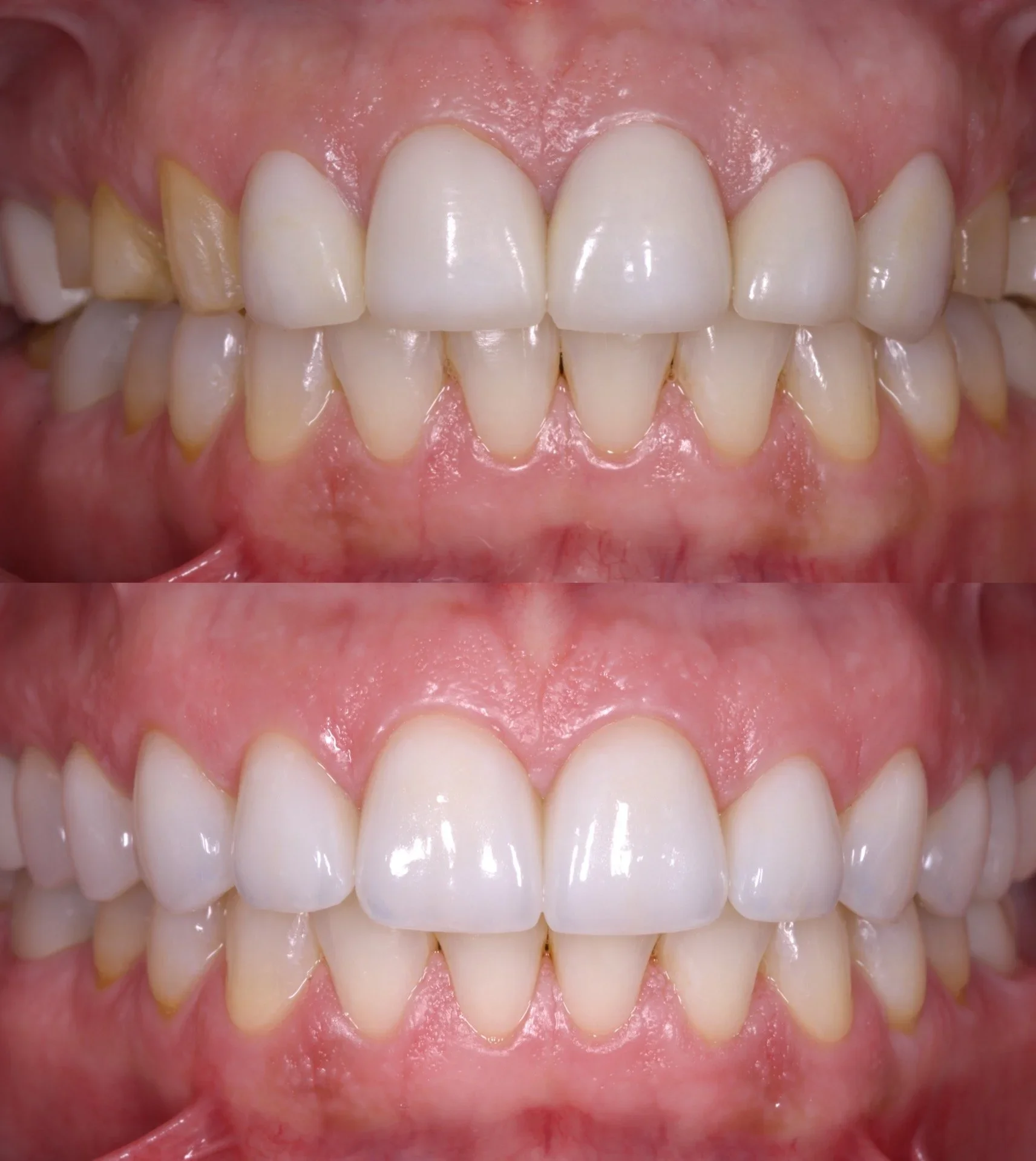
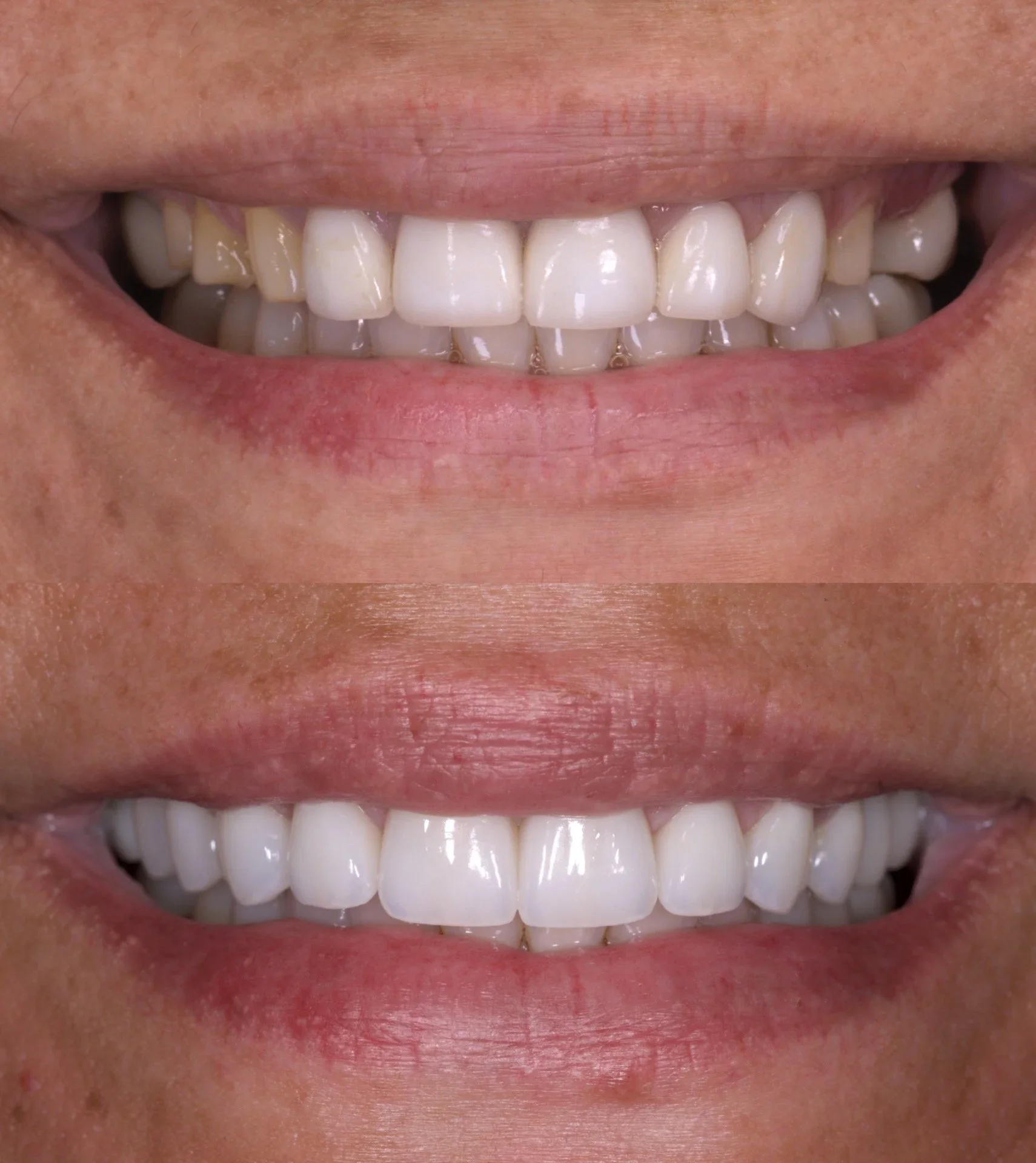
20 VENEERS
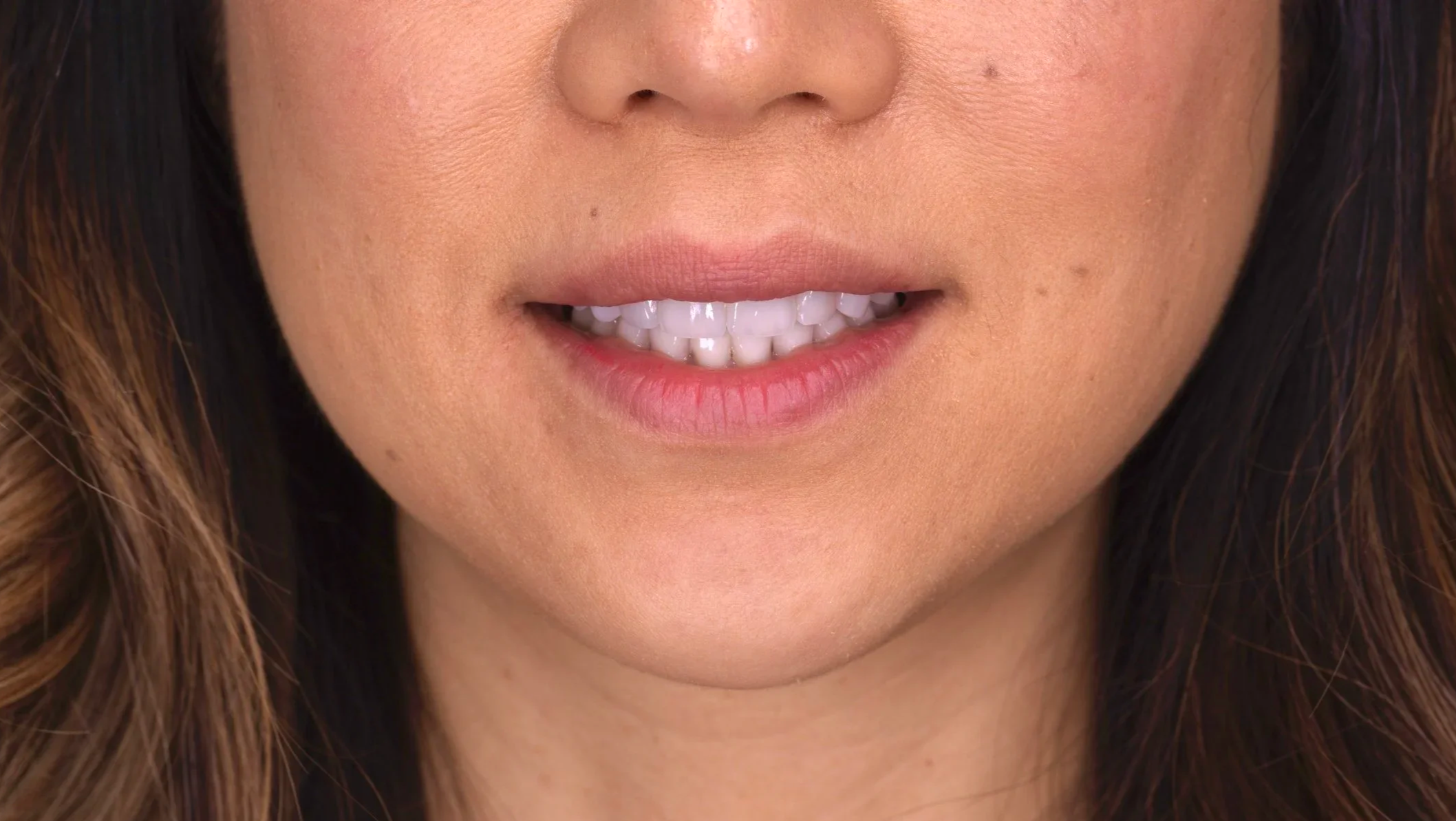
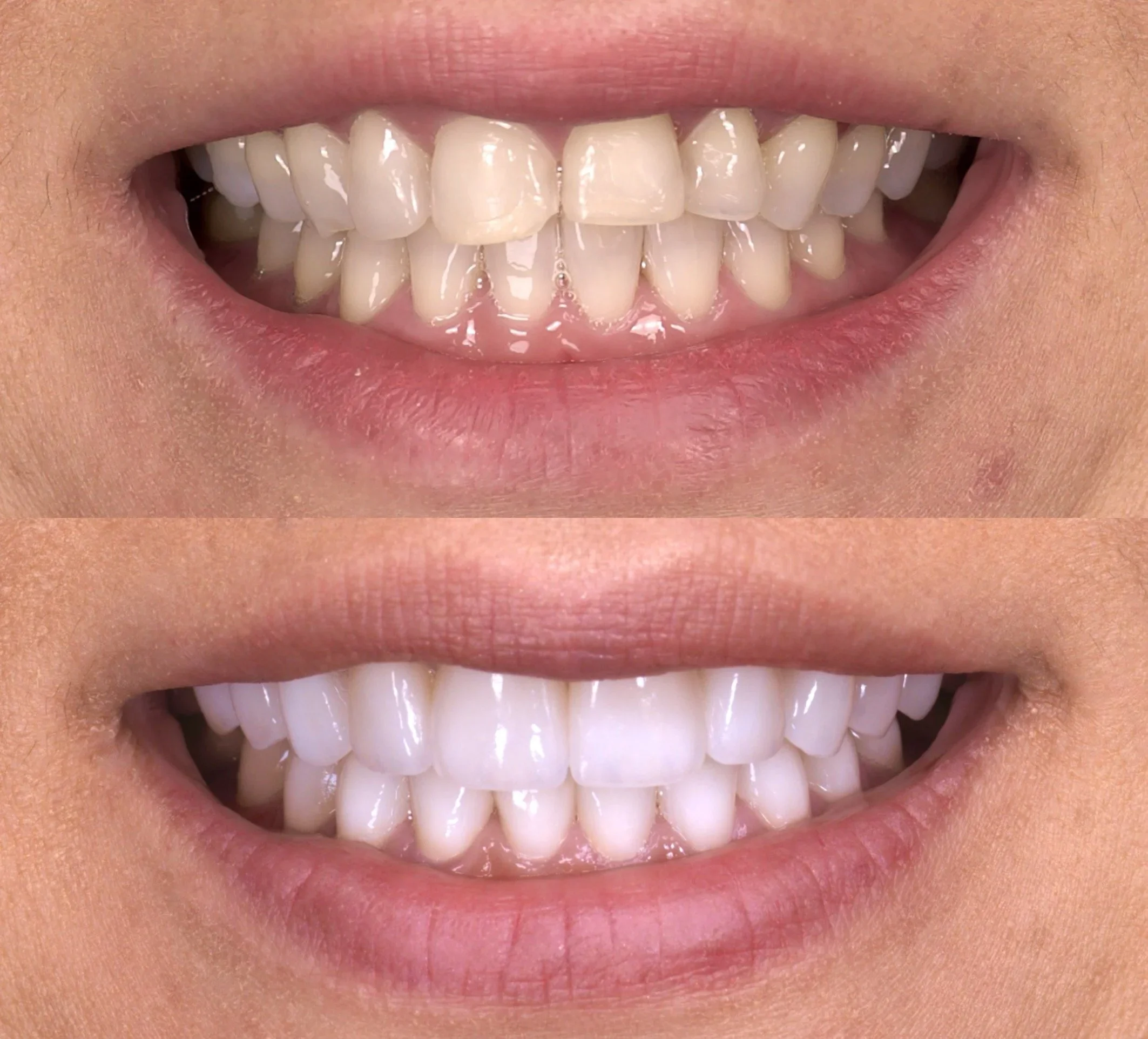
20 VENEERS
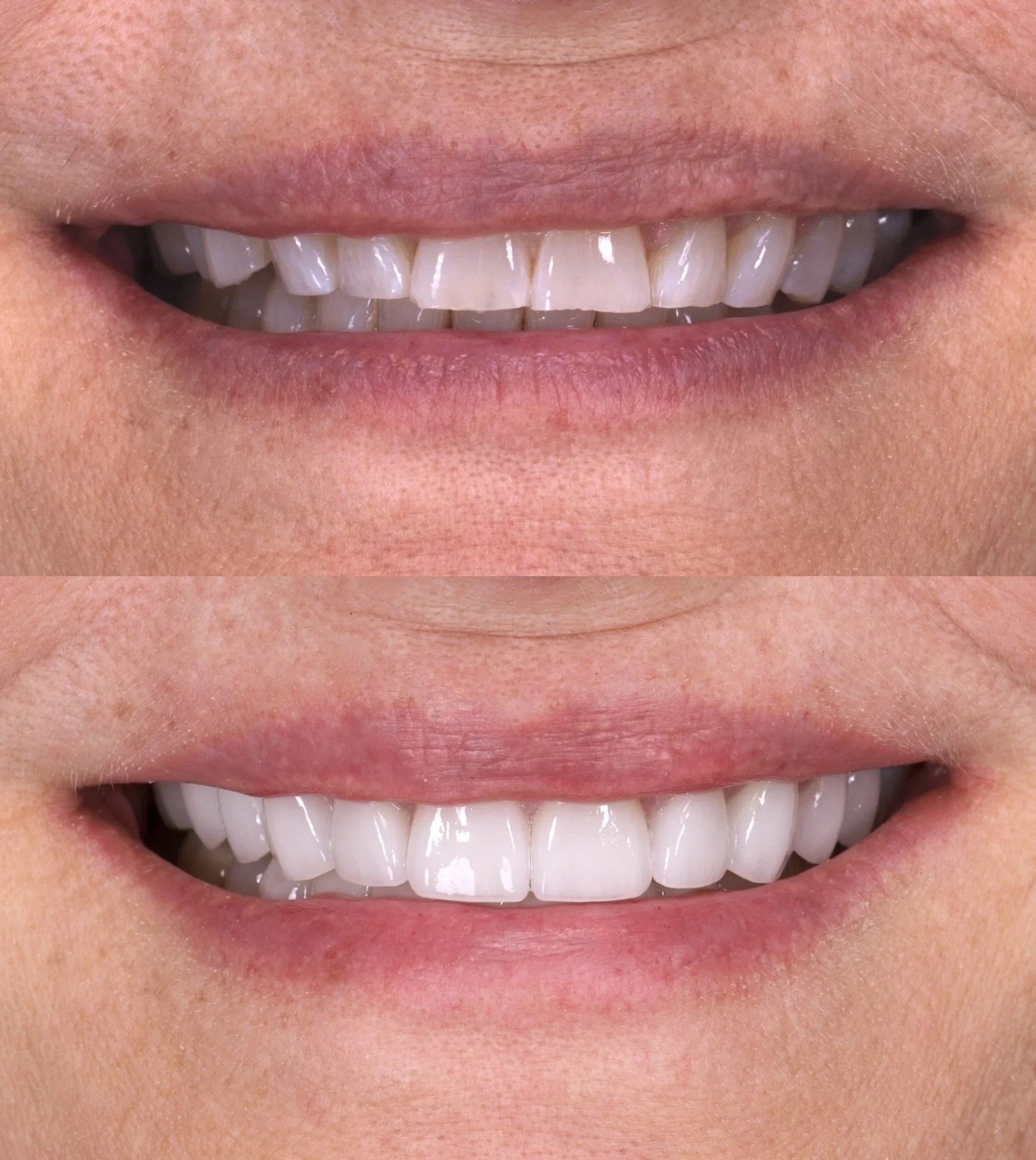
22 VENEERS
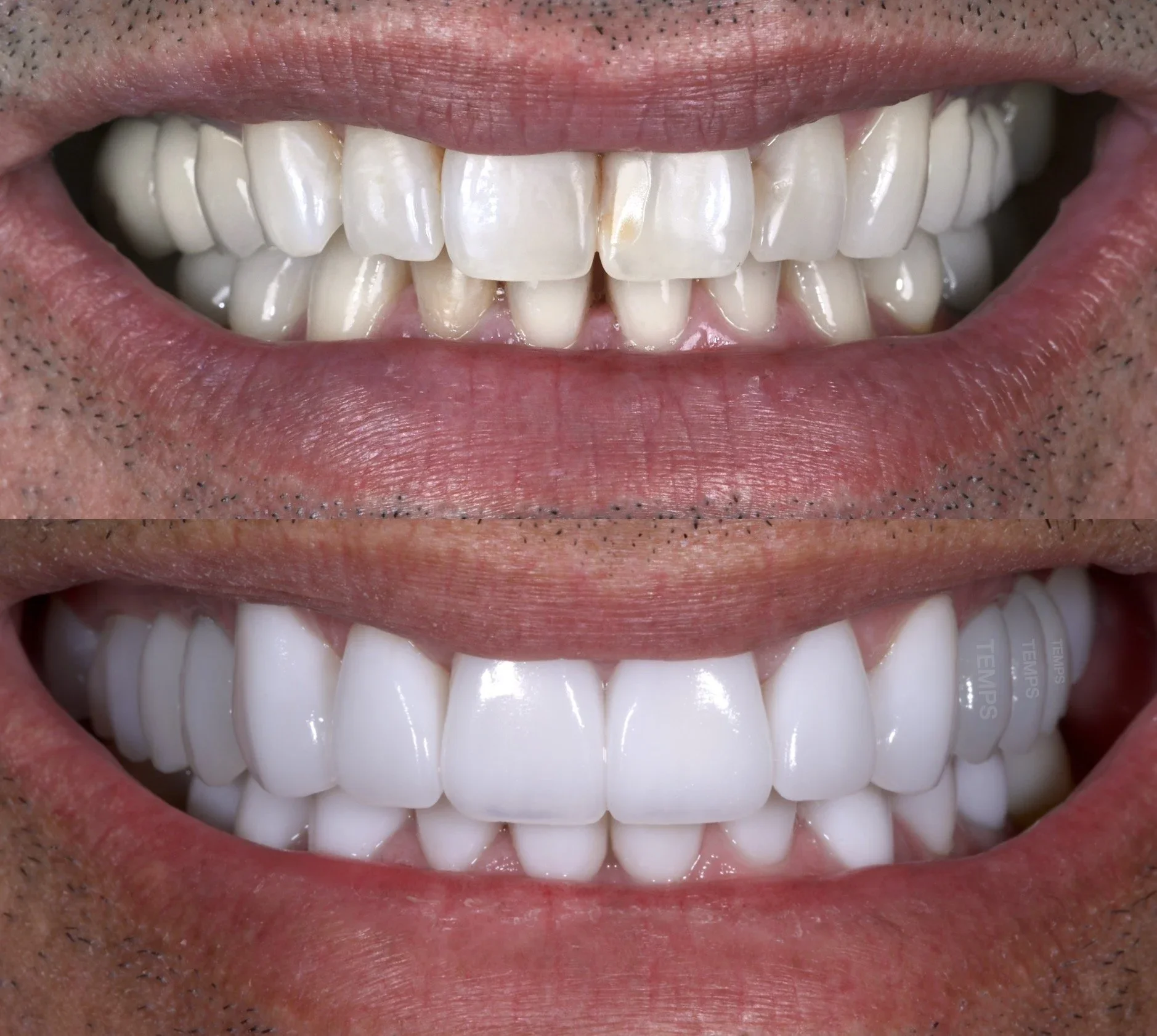
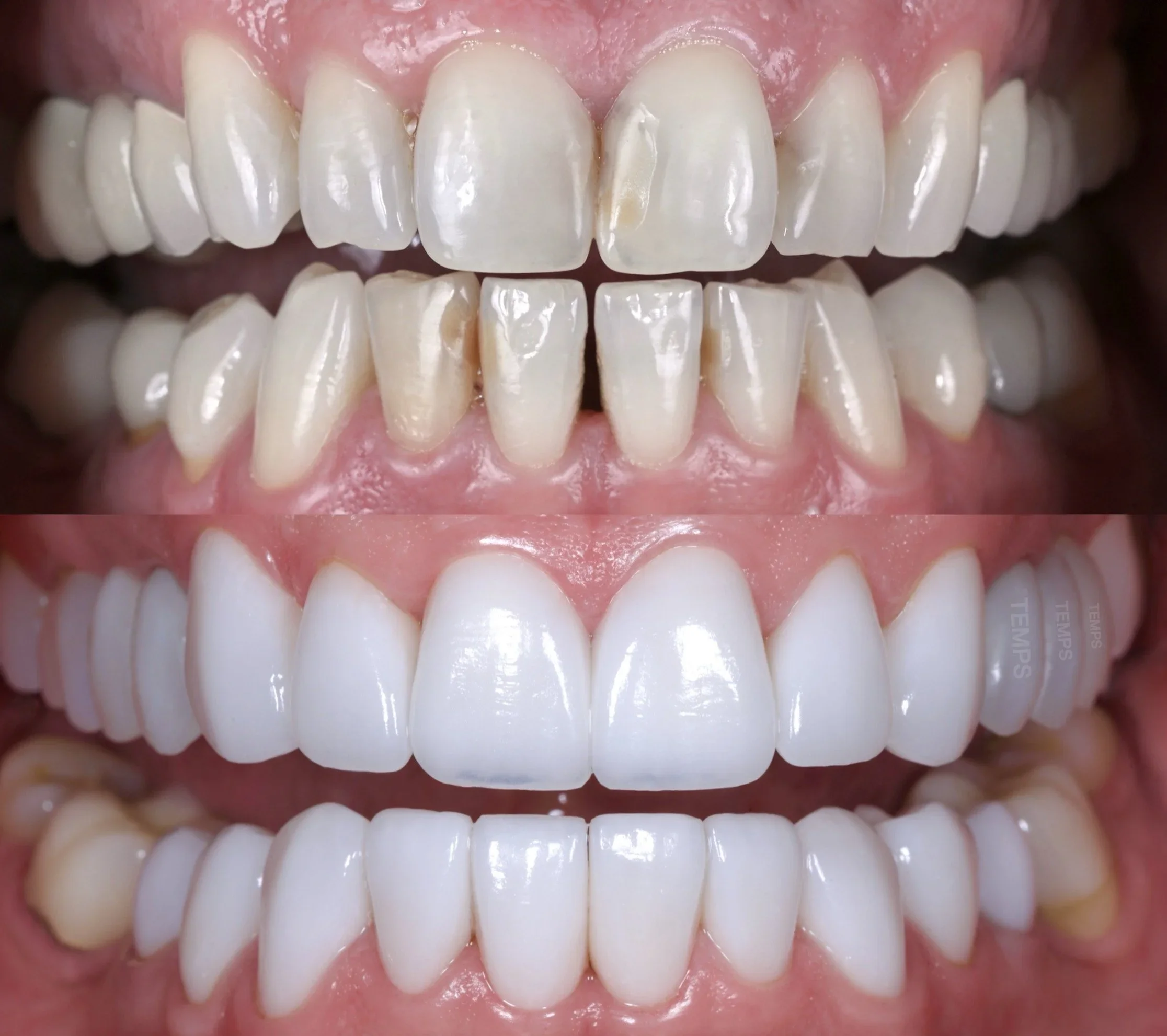
28 VENEERS

28 VENEERS
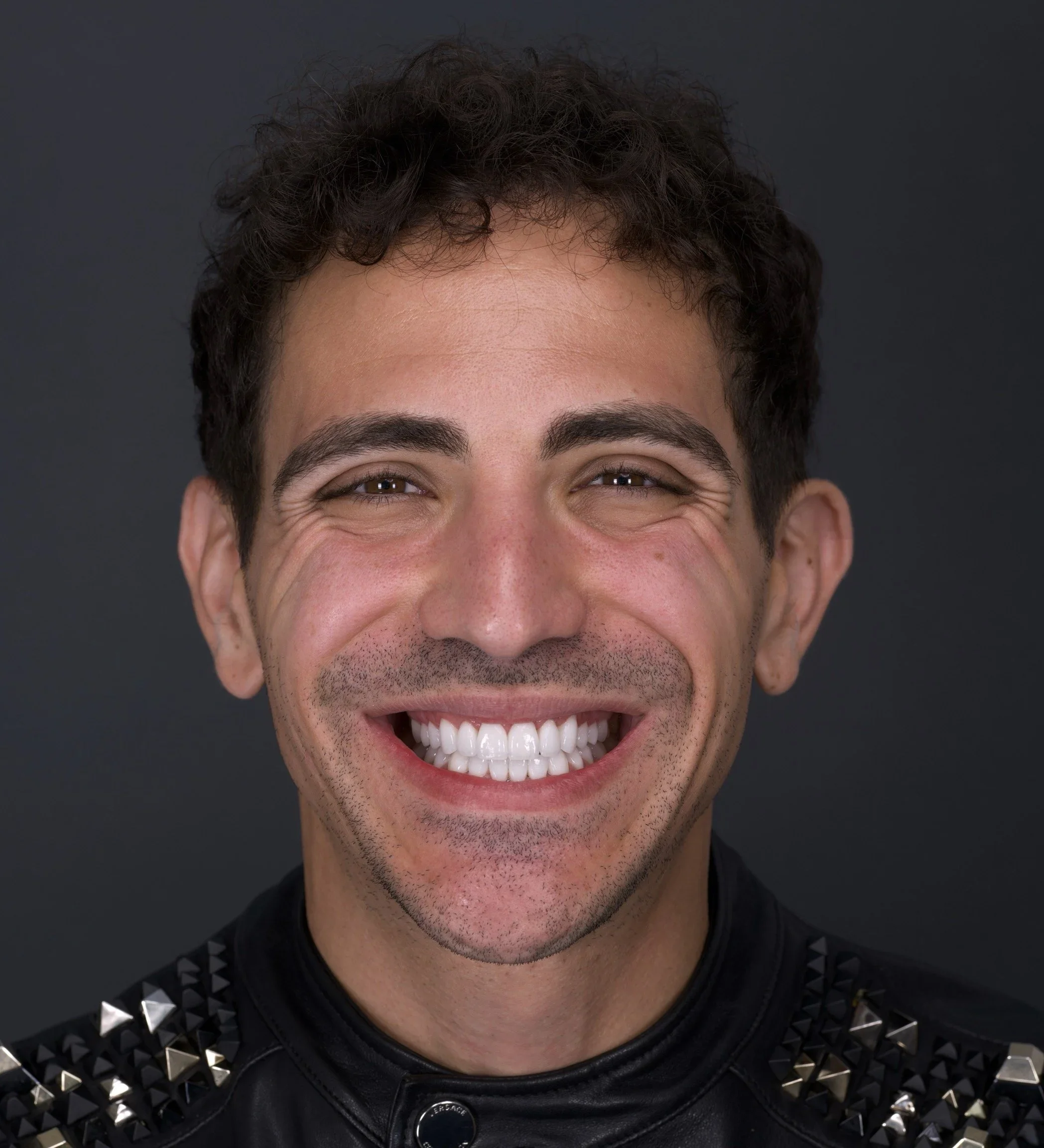
24 VENEERS + IMPLANTS

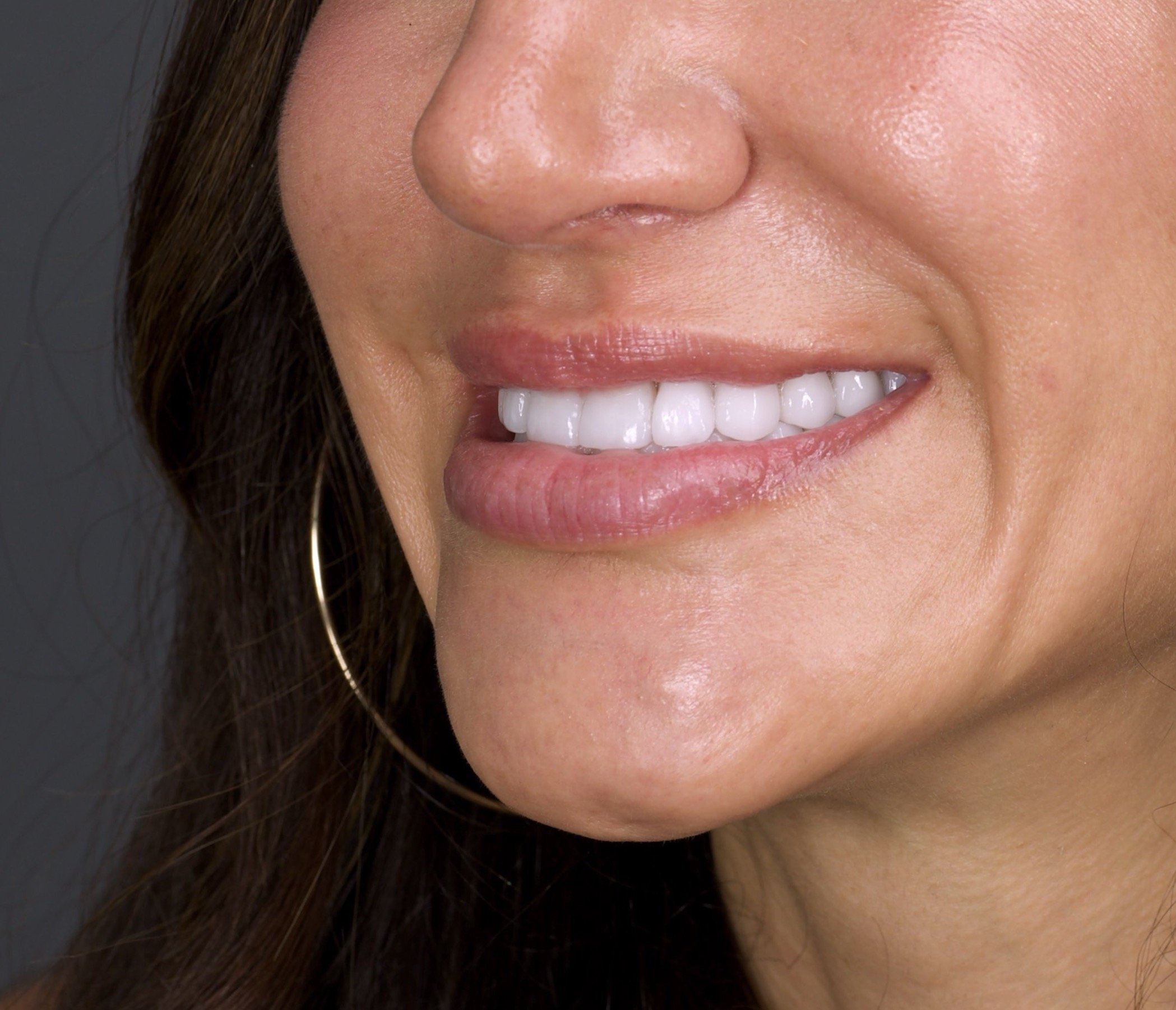

LOW TRANSLUCENCY
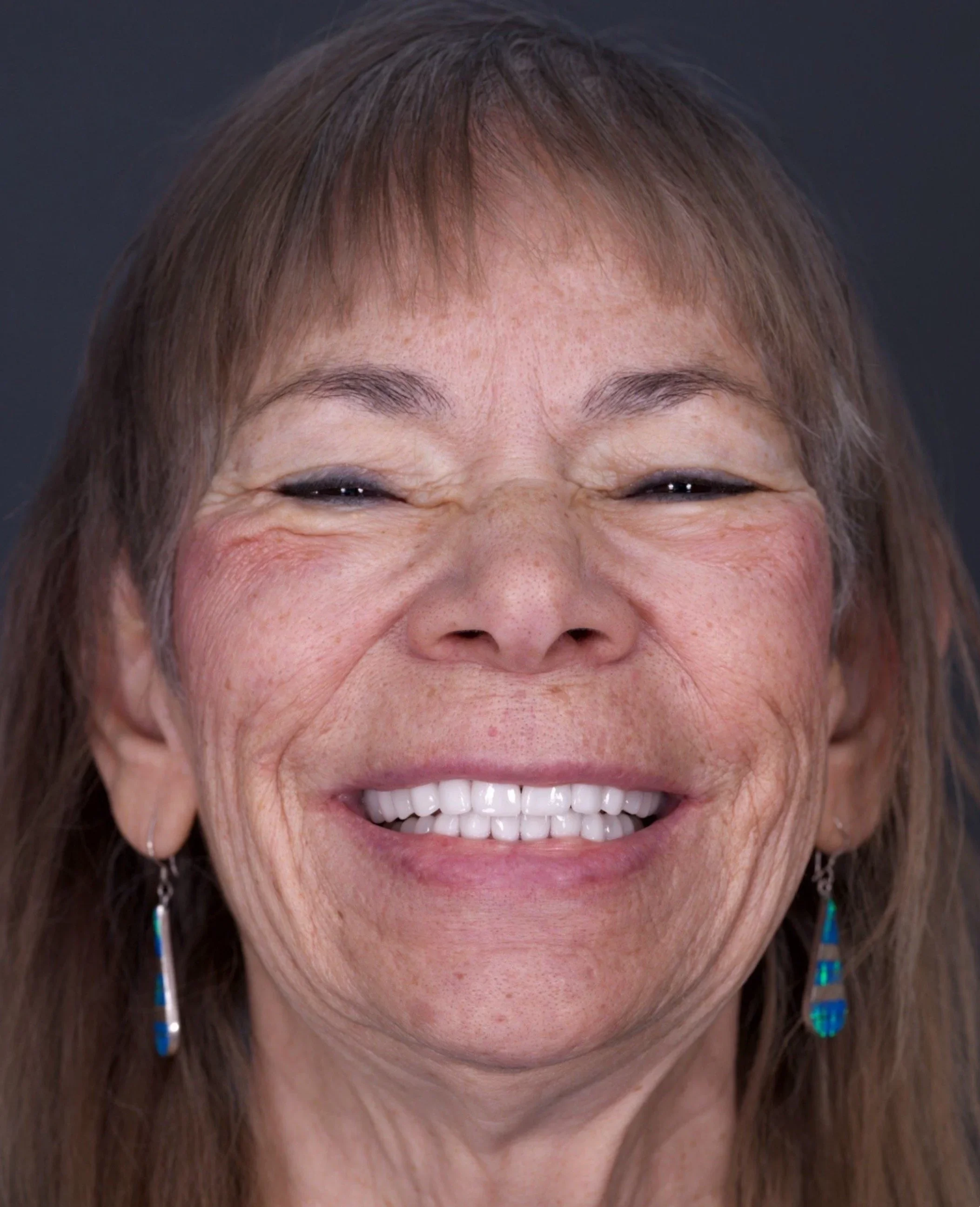
23 VENEERS

-
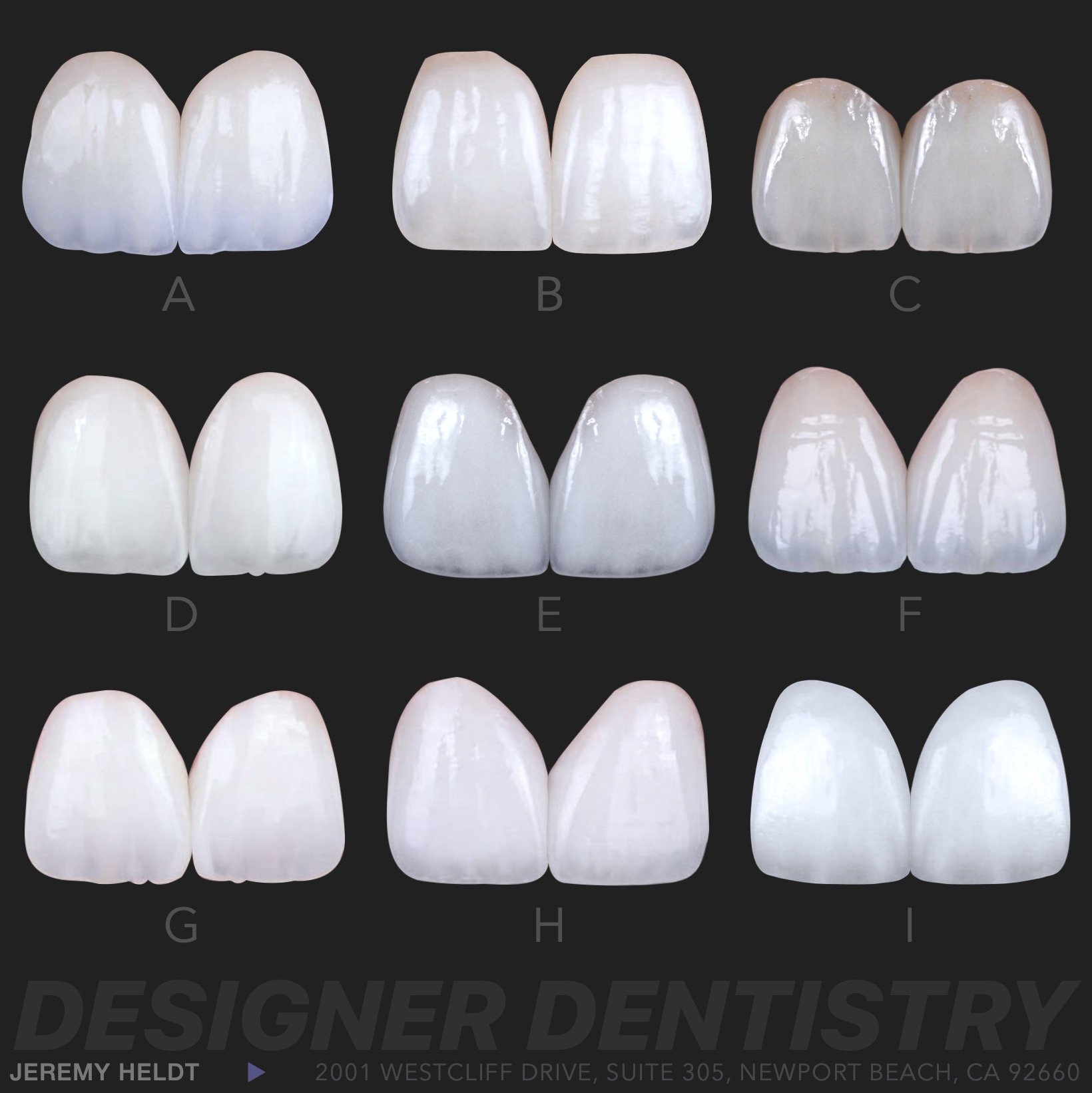
Feldspathic, layered eMax, or layered Zirconia are the most common materials used for Veneers. These all have ceramic glass (lithium disilicate) but zirconia is technically a stone, like diamonds. Layered zirconia is when feldspathic is layered onto the zirconia veneer to give it a more natural appearance. Solid / monolithic zirconia is stronger but usually is not as aesthetic as with layering. Monolithic zirconia is only really recommended for patients who have a strong bite (bruxism), or for back teeth where strength is preferred and aesthetics is less important. Layered restorations is the preferred option (if possible) for front teeth.
-
CONSULTATION. Photos to discuss your goals with Dr. Heldt. Details discussed: your situation, what you’re wanting. Dr. Heldt will help determine the number of veneers, shape, style, shade, translucency level, surface texture, and anything else that may affect your treatment. If you’re needing major changes to the shape of your teeth, then we can order a diagnostic waxup and a set of temporary prototype teeth. This is the best approach.
PREPARATION. Usually a few hours depending on number of teeth. Dr. Heldt will fit on the temporary teeth and modify to make them to be cohesive with your smile and face. He’ll get your feedback and make further modifications. This process is an extremely important step. If we can create an “accepted temp” that you are happy with in shape and shade, then this is the blueprint we’ll send to the lab to make the final veneers. The temps won’t be 100% perfect, but we want them to be as close to shape and shade as possible. By dialing in these 2 variables, the only things need to be determined are level of translucency, surface texture, and material. Layered porcelain have the most natural appearance. However, sometimes it’s better to have layered zirconia (if tooth is dark or some older implants with titanium). For bigger cases (6+ veneers), we usually will give you a few days to wear the temps. Then we’ll have another short appointment to make any modifications you’re wanting after you’ve had some time with them. Once we’ve dialed in the shape and shade, we’ll make copies and take photos of your teeth to send to the lab for the final porcelain veneers. During this temporary phase, the plastic teeth rarely will come off but we’ll give you temporary glue in case. It’s also available at your local pharmacy or drug store like CVS.
DELIVERY. Veneer try-in. We’ll give you a mirror to see how they look on you. Dr. Heldt will inspect and make sure everything is perfect. Sometimes modifications are needed. We have an in-house porcelain lab to make most modifications without sending the case back to the lab. However, some larger changes may require us to send back to the lab. We’ll only permanently bond your case with your written authorization. Most of the time we are able to complete the project on the first delivery appointment.
ADDITIONAL - delivery appointment only if needed.
-
We can customize all aspects of veneers - shape, shade, translucency, and custom staining. We can blend in natural elements such as layering the porcelain in various shades to reproduce the natural appearance of natural teeth. Other options available for those looking to match the teeth next to the veneers: surface texture and staining. We always send in high quality photos of your teeth so the lab can customize the veneers to match your other teeth seamlessly. The best way to understand your options is to schedule a consultation.
PORCELAIN VENEERS
REVIEWS
FREQUENTLY ASKED QUESTIONS
-
Yes, he is a veneer expert and has extensive experience in Veneers. He is a member of the American Academy of Cosmetic Dentistry and enjoys learning contemporary techniques so he can advance the experience for his patients. A few unique features of our office: (1) Experience in delivering patients the Veneers they want. If you checkout our photos, you’ll notice that we don’t have a set “style” where every patient gets the same “looking” veneers. This is because everyone’s goals are different, which is discussed in a “Veneer Consultation.” (2) State-of-the-Art facility and with next generation technology, (3) Wide spectrum of advanced services provided by Dr. Heldt including dental implants, extractions, Invisalign, and CEREC (same-day eMax and Zirconia). This vertical integration of dental services helps us provide an end-to-end high quality experience for simple and advanced services. (4) In-office professional photo studio utilizing Hasselblad imaging & Broncolor lighting, (5) Premium grade dental materials are utilized - no compromises on quality.
-
RESULTS YOU CAN SEE - we have a large portfolio of before and after photos online. This is the best way to see if you’re going to like the work we do versus other offices. Study the work of other doctors and compare to ours. Chances are yours will come out similarly. It’s important to like the work your cosmetic dentist is doing. Look at how the veneers fit with their face (if available). Is the smile even with their eyes? Can you see if the texture looks smooth or rough? Do they look like real teeth? Can you see the porcelain layering in the veneers? If the photo is too bright, it may be washed out and not easily seen. Can you see translucency that looks natural? Details and quality matter. We try to be as transparent and objective as possible with our before and after photos: high resolution photos, with brightness and colors as close as possible, and we try to make it easy to understand.
EXPERIENCE & TRAINING - As a cosmetic dentist, Dr. Heldt has extensive training and experience in making porcelain veneers. He has spent a considerable amount of time and resources to learn the latest contemporary techniques and technologies. His training includes: Treatment Planning & Occlusion at the KOIS Center, Veneers + Bonding with Pascal Magne, and Same-Day Veneers/Crowns with CEREC Doctors. Assimilating modern techniques, State-of-the-Art technology, and with his level of experience, Dr. Heldt’s office has quickly become the premier destination for veneers and cosmetic dentistry.
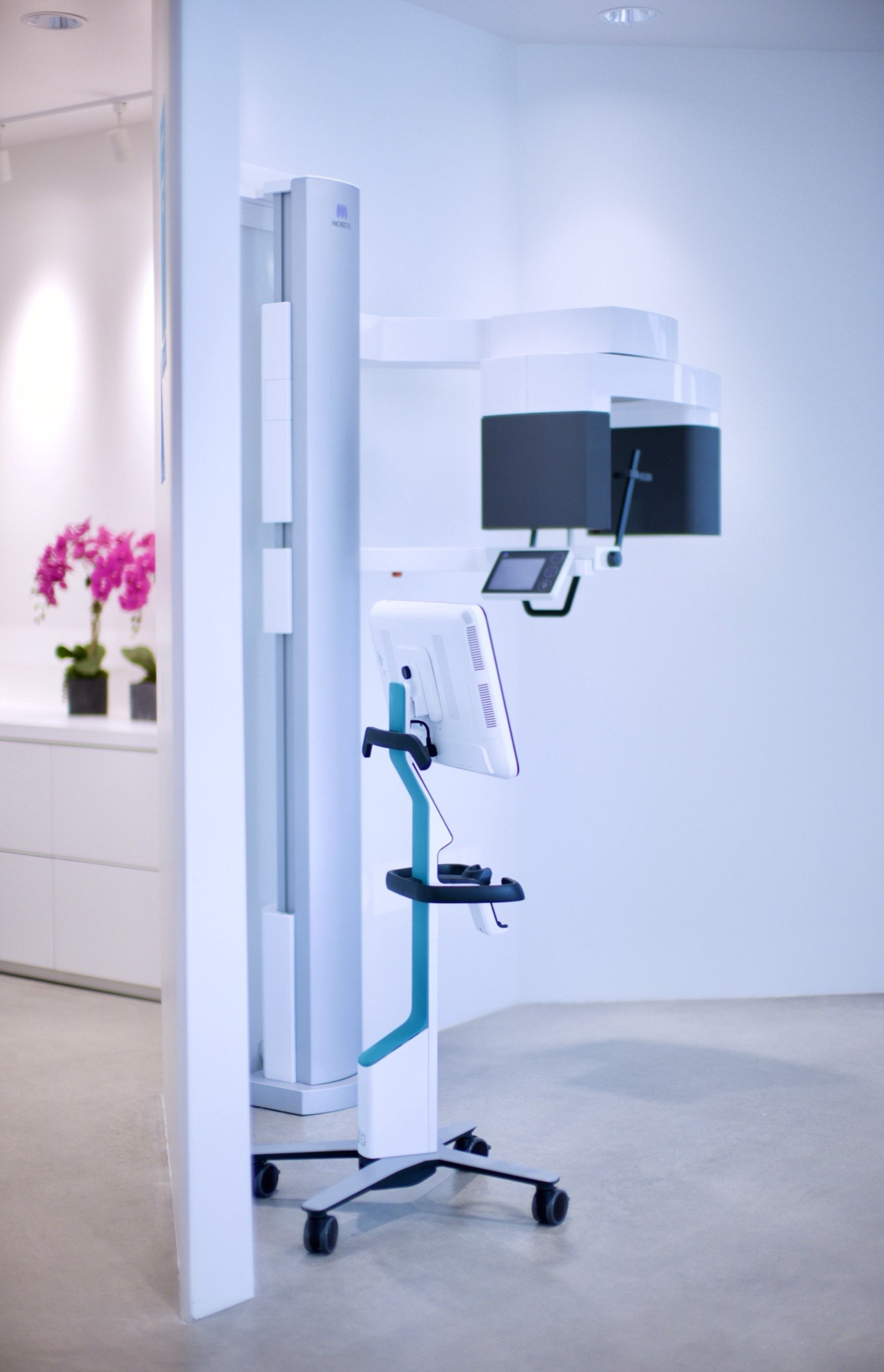
STATE-OF-THE-ART TECHNOLOGY - We’re happy to offer a State-of-the-Art office with textbook dentistry utilizing the latest contemporary techniques, advanced technology, and premium grade materials. Dr. Heldt has the best technology available for a wide spectrum of simple to advanced treatments. A few key technologies Dr. Heldt loves are his Broncolor Photostudio, Hasselblad 100 megapixel camera, digital scanners for teeth, in-office Porcelain lab and oven, Morita X800 CT scan, etc. We spare nothing when it comes to quality.
ADVANCED TREATMENTS - We also offer a wide spectrum of dental treatments along with veneers including implants, crowns, Invisalign, cleanings, fillings, root canals, and extractions. Offering these other advanced treatments helps to streamline your veneer process (for example if you need other treatments like Invisalign, implants, crowns, or fillings, etc.). Rather than going to multiple different dental offices for those treatments, we provide most treatments within our office.
LABS - we use the best labs in the world with talented ceramists. Although there is higher cost, its well worth getting veneers made for maximum beauty. If you don’t want fake looking veneers and want them to look extremely natural, this is the office for you. The lab can literally make veneers look like any type you might want — just bring a picture of a smile you like. If you’re unsure what you’re wanting, Dr. Heldt can go over all the options (shape, shade, translucency, staining, layering, materials, etc) at the Veneer Consultation appointment. Every case in our office is made-to-order and customized to what you wanting. We don’t have a set “style” because everyone has a different idea of what looks good. If you’re not sure about your style, Dr. Heldt can go over his preferences and suggestions at the veneer consultation.
ONE OFFICE - Dr. Heldt does not believe in owning multiple dental offices for cosmetic and implant work. The level of care, accountability, and commitment required for this type of work is too high. Dr. Heldt only has one location and is not a dentist who travels and rotates among multiple locations. Being committed to a single location provides the highest level of quality control, giving his patients the access to care when they need.
-
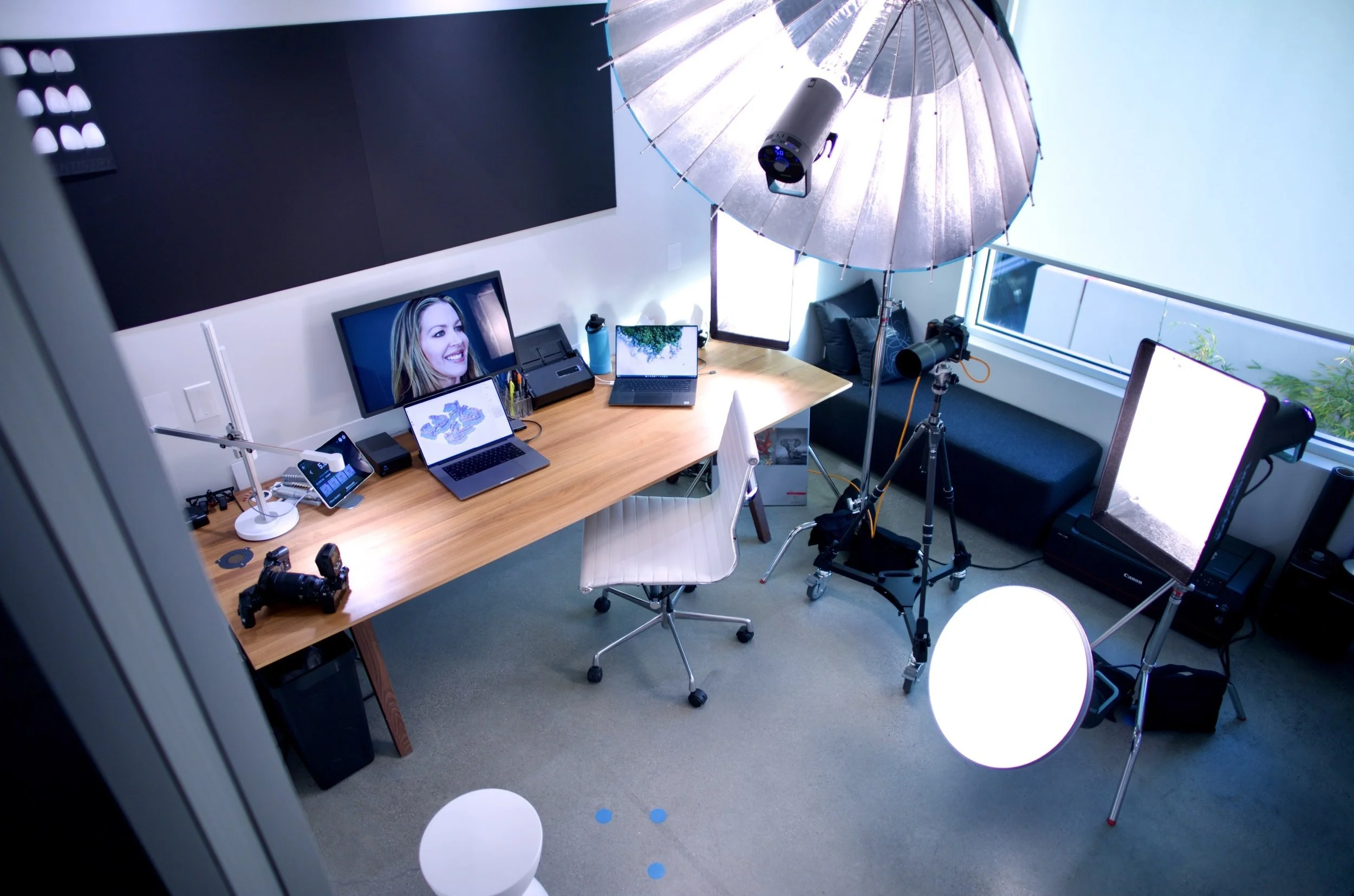
Having an on-site professional photography studio helps us to take photos of your teeth and also study how they fit in with your face. This helps to see if the temporary and porcelain teeth are level and blend in with your face. We take many photos in our office: initial situation, temporary prototype tried on, final veneer try-on (before permanently bonding), and after photos. Every step of the way is a design checkpoint. We will only permanently bond the final veneers when you’re happy with the results. The photostudio is our way to study every step objectively together with the doctor. By getting your real-time direct feedback, the doctor can make immediate shape changes to the prototype veneers by adding (bonding filling material) or subtracting (smoothing down). The goal is for us to get the prototype to a 90% satisfaction in shape and shade (your approved prototype design). An approved prototype is now the blueprint for the lab to make the final veneers into porcelain so there are no surprises when it comes back from the lab. Once shape and shade is determined, the only variable is determining the level of translucency (high/translucent, medium, low/opaque). Dr. Heldt specifies every detail and leaves nothing to chance.
Dr. Heldt built his customized photostudio in 2020 with the help of Broncolor and Hasselblad, both the premier brands in the portrait photography industry. The Hasselblad X2D has 100 megapixels of resolution in 16-bit RAW with images reproduced instantly by tethered shooting on an Apple XDR Display. Broncolor gives us full light shaping capabilities. This combination is what makes our photography studio indispensable and unparalleled, having applications in any cosmetic project: Veneers, Dental implants, All-on-X, and even Invisalign.
-
Dr. Heldt recommends ordering a diagnostic waxup. This takes a copy of your current teeth to generate a draft prototype of the veneers we’ll be making for you. This usually proposes the veneers to build some additional tooth structure on areas of your teeth that have worn down, chipped, or are naturally / genetically small (microdontia). During the veneer preparation appointment, this diagnostic waxup “mockup” is temporarily glued onto your teeth — before the preparation or drilling. This ensures that when we make the necessary preparations, it’s only removing the absolute minimal amount based on your FUTURE designed veneers — so many areas of your teeth may not need tooth structure removal or if it does, it’s much less than without this approach. After the veneer preparation appointment, Dr. Heldt will temporarily bond the prototype veneers to your teeth. He will make some modifications to these temps to make the shape and color look as close as possible to what we’re thinking the veneers should look like for you. We’ll get your feedback and make any requested modifications to make sure you like them as much as reasonably possible. Once you and Dr. Heldt are happy with the temps, we’ll take photos and send the lab a copy of these temporaries. With shape and color determined, this will be the lab’s blueprint for making your final veneers. For larger cases (4+ veneers), we typically will give you a day or two to see how you like the temporaries before sending copies to the lab. That’s your opportunity to take the time, inspect, and review the proposed veneers at your own pace at home. It’s important to understand that the temporaries don’t have to be 100% perfect before sending to the lab. We just want the temporaries to be close enough (approximately 90%) in shape and shade so the lab has less to figure out. Any modifications we can also send as a written request when we order the veneers. The more details we determine together, the higher chance the case will come back the way we requested.
When the lab has made the veneers, we will try the veneers on you to see how they look. If Dr. Heldt verifies the fit and quality, and you’re happy with the way they look, we will get your authorization to permanently bond them in place and we’ll be finished with the project. However, if there’s something you don’t like, Dr. Heldt will make modifications to them. If he can’t make the modifications in the office with his porcelain machines, then it would have to be sent back to the lab for the changes. We will only permanently bond the veneers when you’re happy with the aesthetics and have given us the authorization. This ensures that you will receive veneers that you’re happy with and not get stuck with something you don’t like. Ultimately we want you to be happy with your new smile!
Another option we have available is to request a CT Scan (additional fee applies). Dr. Heldt can then measure and show you on a computer screen, exactly how thick your enamel and dentin is in millimeters (mm). After mapping out the nerve, and how deep any cavities are, we can give a more accurate prognosis. Although individual results vary, knowing where the nerve is can help us plan your treatment to minimize the chances of root canal treatment, and maximize a successful outcome. Typically, the nerve chamber gets smaller with age and the risk of nerve damage is reduced.
-
Depending on what the tooth needs, the cost can vary. Pricing depends on individual needs and options selected by the patient. A few examples of additional cost factors are: (1) material of the veneers, (2) gingivectomy or crown lengthening, (3) in-office CEREC vs. hand-crafted veneers by a ceramist, (4) monolithic vs. layered vs. feldspathic porcelain, (5) if any other treatments are needed such as root canal, internal bleaching, or core buildup, or (6) if Invisalign or orthodontics are required.
The best way to find out the full scope of the work you’re needing and get a definitive quote is to schedule a new patient comprehensive exam and ask for a veneer consultation with your new patient exam. If you’ve had x-rays and a check-up within the last 6 months, and you know you don’t need anything then you can schedule a veneer consultation, which is a shorter appointment (you can forward those x-rays to us for review). If you haven’t had any recent xrays, we will need to take them before starting any treatment.
Insurance may be able to help with the cost. Payments can also be made with an HSA account. We also offer some discounts depending on the scope of the project and methods of payment. We will go over all the cost savings available at the consultation appointment.
-
Veneers typically have a lifespan of 15-20 years but there are many factors involved that can reduce or increase this timeframe. Veneers, like your natural teeth are subject to wear and tear. Your natural teeth can chip and wear over a 15 year time period just like your veneers. There are many factors involved that can reduce the lifespan of not only your veneers, but your teeth in general. A few examples that can reduce the lifespan of your veneers are, but not limited to: (1) high acidic diet or drinks which erodes the veneer’s edge and bond to the tooth, (2) not having orthodontics/Invisalign before veneers if it’s really needed, (3) bad habits such as biting your nails, chewing ice, or using teeth to open things, (4) which material was used for the veneer — feldspathic porcelain looks beautiful but is more delicate, whereas monolithic eMax or Zirconia is much stronger, (5) not wearing a nightguard or retainer, and/or (6) not coming regularly for cleaning and checkups.
After 15-20 years, your veneers usually won’t just all start breaking at once and need to be fully replaced. With wear and tear, a veneer may start to chip and break or get a cavity. You don’t need to replace all your veneers when this happens. You can fix just the veneers that have an issue. The only time you would replace all your veneers is if you want to change shade (if you change the shade of 1 veneer it won’t match the others). So we give this option when replacing a veneer because sometimes the other veneers may need to be replaced soon anyways, so the best time to upgrade to a whiter shade is getting them all replaced at once. If you’re perfectly happy with your current shade, then simply replace each veneer when it needs to be done and a lot times this can be accomplished with our same-day veneers or crowns (CEREC) — so you don’t have to go through the entire process all over again like the first time.
-
If you have crooked or teeth that need straightening, we usually recommend Invisalign before making veneers. This helps the veneers to look the most natural, reach maximum beauty, and last the longest. For example, the goal of veneers would be to make the teeth look straight, right? But making a veneer on a tooth that is sticking too far out would require more tooth structure removal on that tooth to make it look in line with the other veneers. It’s better to move the whole tooth in line with the other teeth first so we can do a “minimal preparation veneer”. Although declining orthodontic treatment is quicker and easier, it’s not the best for all your teeth or veneers long-term. By drilling deeper into the tooth, it increases the risk of damaging the tooth’s nerve in which root canal treatment would be needed. A tooth that gets treated with root canal significantly reduces the tooth’s useful lifespan (implant is the next option). So to minimize the risks of nerve damage, the textbook approach is to complete Invisalign before making veneers. We’re pleased to offer Invisalign treatment at our office for your convenience. However, if your teeth aren’t too crooked or have a lot of cracks on them, it may not make much of a difference, so the best way to find out your specific situation is to schedule a consultation or new patient exam with us: (949) 734-0126.
-
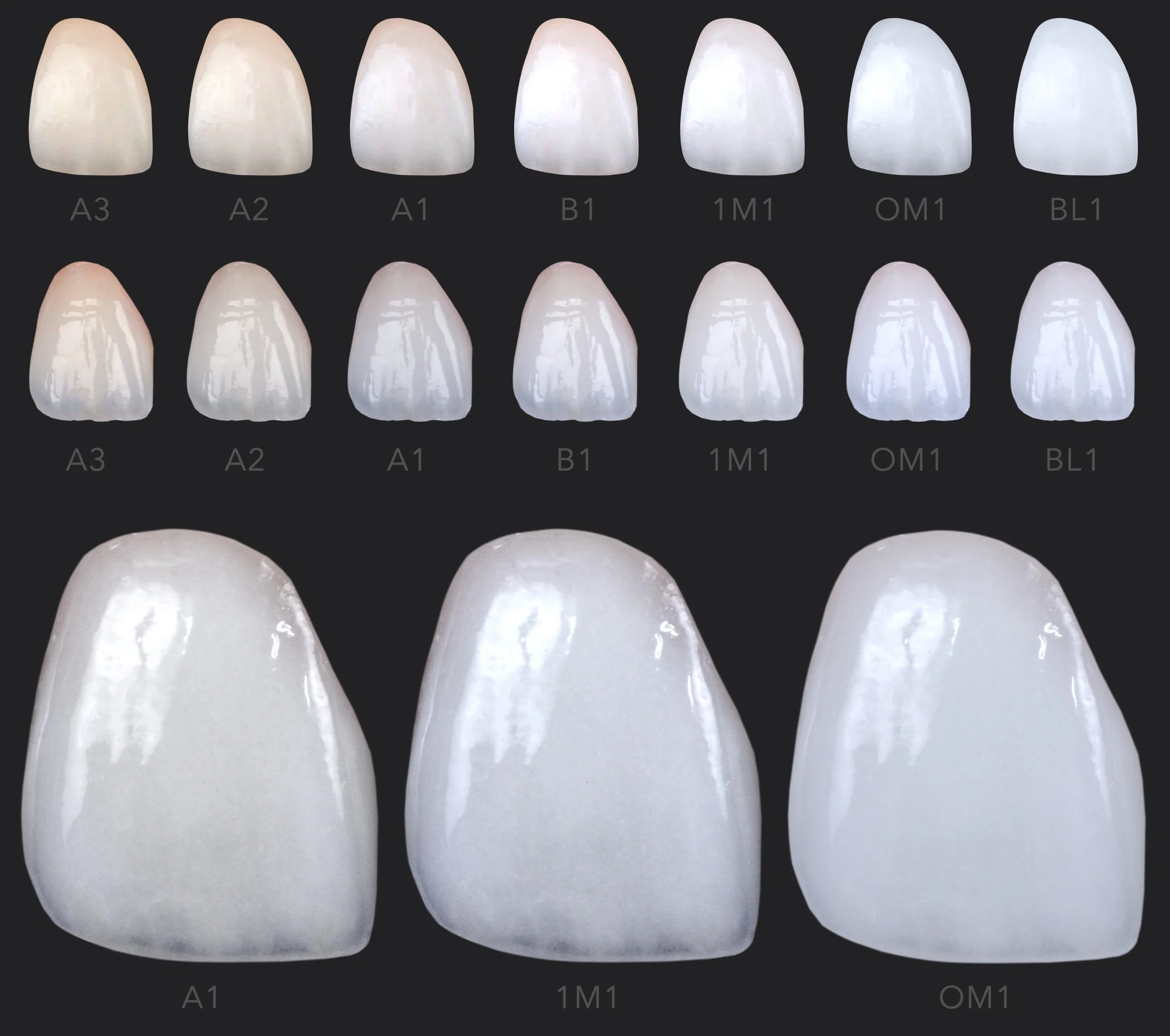
A traditional veneer resurfaces the front side of the tooth (approximately 60% of the tooth’s surface area), but 100% of the visible area as seen from the front. A crown resurfaces 100% of the tooth’s surface area or 360 degrees. A crown has porcelain encompassing both the front and back side of a tooth whereas a veneer is just on the front. There is also a three-quarter crown in which the porcelain covers the front and sides of the tooth, which is more porcelain coverage than a veneer, but less than a crown. Usually the backside of the tooth has some porcelain (on the edge and sides), but most of the back side remains your natural tooth. There is no difference in the way a crown looks compared to a veneer when you smile (a common misconception). A few other types should be mentioned: a “No-prep veneer" is when porcelain is bonded to a tooth without removing tooth structure. Porcelain is being added to your existing teeth. This works well in situations where someone’s teeth are naturally/genetically small (microdontia) and their goal is to make their teeth appear larger. Or if the teeth have been damaged and are missing tooth structure (restorative). Or the teeth are misaligned and some teeth just need additive porcelain so teeth will look aligned or straight. In these cases, there is no need to remove additional tooth structure. Only a small percentage (1.5%) of people have microdontia and most other situations are restorative. The majority of people with healthy and straight teeth will not look good with “No-prep” veneers because their teeth are already the full size — adding porcelain would make their teeth look too large or have a “horse teeth” appearance. Dr. Heldt’s recommendation is to first evaluate if no-prep is possible. If possible then do no prep. If there’s too many limitations, then next recommendation is to have “minimal preparation veneers" for maximum beauty and the most natural appearance. Although there is a small removal of natural tooth structure, it’s usually the best way to accomplish maximum beauty for veneers. What determines the type of restoration we use? By default we will see if a No-Prep option is available. If not the default is minimal preparation veneers. However, some teeth may have cavities or defects on the sides or back of the tooth which should be removed and have porcelain extend to those areas. So it really depends on what each individual tooth needs. A lot of veneer cases will have a mixture of veneers, crowns, or even implants. The end result can still look the same as someone who has all minimal preparation veneers. Because, everyone’s situation and goals are different, a Veneer Consultation is the best way to understand your options. Dr. Heldt will take photos of your smile and teeth so it’s easier to visualize and discuss the veneer project with you on a large computer monitor. We’ll also take a photo with a few shade options to see which shade (BL1, BL2, OM1, 1M1, A1, A2, etc) would look best for your smile. Feel free to give us a call at (949) 734-0126. We’re excited to help with your aesthetic goals!
-
For a simplistic explanation, a tooth has two parts: (1) the visible white part that you see and, (2) a root which you don’t see since it’s under your gums and fused to your bone and jaw. A veneer is resurfacing just the front white part of your tooth (the visible area) whereas a dental implant is when you need the whole tooth’s root replaced. Implants are only done when there is no possible way to save your tooth and root, or already missing. A dental implant in essence, is a technology where the root is replaced with a titanium post. It takes 4-6 months for this post to fuse to the bone. Then it is rock solid and an artificial crown (white tooth you can see) can be installed. Depending on what you want, the implant can look like a veneer or even look like one of your natural teeth. When we order the porcelain crown, we will write specific instructions requesting the lab to make the tooth the way you want. The goal is for the final implant project to blend in with your other teeth (either natural teeth or veneers). Another key distinction is that veneers are on your natural teeth whereas an implant crown is installed on a titanium root. We’re pleased to offer a wide spectrum of Dental Implant treatments (both surgery and crown) in our office for your convenience. Be sure to checkout the IMPLANTS section to see our cases. You’ll notice that implants and veneers can look exactly the same and it’s difficult to distinguish between the two if done well (individual results may vary).
-
Porcelain (both veneers and implants) will not change color. They will not whiten with bleaching trays or white strips and do not stain with coffee or wine, etc. It’s recommended to do teeth whitening before determining the shade for your veneers or implants. The only way to change the shade of them later is replacing them (getting new veneers or implant crowns). Veneers may appear different in color later if they are not brushed and flossed. They can accumulate external stains but these can be removed with brushing, flossing, and coming in for your regular cleanings. You can inform the hygienist so they can be sure to clean and polish to its original appearance.
-
We do have celebrities at our office but we are available to anyone seeking dental care. Our office has private treatment suites which is important to those who value their privacy during treatments. In contrast, some other offices have an “open bay” treatment room concept, in which you can hear and may see patients in the room next to you. Dr. Heldt personally designed the office to give patients an exclusive luxury experience. The waiting room however, is shared with other patients. If you want the ultimate level of privacy, we have the option for patients to reserve the entire office exclusively for a day (additional fees apply). No other patients would be in the office at the time you are here for that appointment.
-
Most of the time we send cosmetic / veneer cases to the lab but there are a few situations where making veneers in-office can work: (1) if the patient already has monolithic veneers or crowns and we’re replacing a few, or (2) the patient’s other teeth don’t have a lot of aesthetic complexity, or (3) the translucency requirements are low, and most importantly — they need to get everything done in one day. The CEREC machine mills veneers out of a solid block of porcelain or zirconia, then we glaze the veneers or crowns. Lastly, we try on the veneers and obtain the patient’s approval to bond the restorations.
It’s a cool technology but it has some limitations when it comes to aesthetics. When sent to a lab, they will take the veneer and “cutback” on the front, then hand-layer feldspathic porcelain. It’s the hand-layered feldspathic porcelain that makes the veneer “come to life” and look like a natural tooth. This is because most people’s teeth are not just one color — there is a lot of complexity in the enamel (translucency, anatomy, various shades) that hand-layering with feldspathic porcelain will be able to replicate. However, some people’s teeth don’t have a lot of complexity and are one solid shade anyways; or they have monolithic (uncomplex) veneers already and just need to replace them; or they like the monolithic (low translucency) appearance. These are the situations where we can do same-day CEREC veneers. Depending on how many, usually maximum of 6, we can finish everything in 1 day. There would be a few hours in the morning for the preparation, then there’d be a break for a few hours as we make and finish the veneers, then we’d bond them in place to be done the same day. The teeth usually do not look as realistic like the other work on our website, but if the patient understands and wants this for some reason, we do have the technology available.
Dr. Heldt offers hand-layered feldspathic porcelain for select same-day cases. Due to the extra work involved with this, we have limited this option to one or two teeth with a light to medium amount of translucency. Additional fees apply.
When we bond the same-day CEREC veneers, we will obtain your authorization before permanently bonding them. If for some reason, you don’t like the way they look, you can explain to Dr. Heldt and he’ll do his best to make the modifications. As a last resort, we can opt to send the case to the lab to remake the case (additional fee may apply). We want to avoid this situation if at all possible so it’s important to understand the limitations upfront of the CEREC technology. But ultimately we want you to be happy with your new smile. Once we permanently bond the veneers, we can’t change color or shape anymore. The only modifications we can make are “drilling” or subtractive changes like if the tooth feels “too high” or the edge seems a little too long. We can’t add anymore porcelain to bonded veneers without remaking the case.
Rest assured, the process and methodology Dr. Heldt incorporates in his office is “textbook dentistry” and designed to make sure you’re happy with the final results.
-
Dr. Heldt uses 3.5x expanded field of view loupes for most procedures. However, he has two other loupes for special situations: 4.5x and 6.0x. Dr. Heldt believes loupes are indispensable to dentistry and that doctors can provide the best treatments when using the best optical instruments and imaging equipment. Dr. Heldt also has better than perfect vision: 20/10.
-
We can work with all PPO insurances. Please call our office to find out more information: (949) 734-0126.
-
Yes, we work with an external financing company (CareCredit) so patients are able to get the treatment they need now with affordable monthly payment plans. Please visit www.carecredit.com for more information or feel free to call us to learn more.
If you prefer to not use CareCredit and would like to space out the payment, we can split up the payment into two parts: 80% is due on the veneer preparation appointment with the remaining 20% balance due on completion.
-
Currently we’re offering 30-minute consultation appointments for $100 which includes a visual exam, photos, and consultation. Please email any recent X-Rays within 1 year. The doctor will take portrait photos to discuss your aesthetic project. This would include how many veneers are recommended, shade options, level of translucency, any custom staining, and shape. Also quote, discounts available, price options, insurance coverage, timeframe, scope of project, and any other questions you may have can be discussed but some information would need to be verified or require more time to be answered. In order to give a fixed quote, we would need to verify the conditions of your teeth with x-rays. Feel free to give us a call at (949) 734-0126 to schedule a consultation. VIRTUAL CONSULTATIONS are $100.00 and are applied towards treatment but an in-person consultation or full exam would be needed before starting any treatment. We recommend a comprehensive new patient exam for the most accurate quote.
-
Depends on your goals and situation. If your teeth have some small defects, then resin bonding is fine. Bonding and teeth whitening is a great way to stay conservative until you figure out what you want and need to do with your dental situation. If you already have large bondings, multiple unsatisfactory bondings, severely worn teeth, or old veneers — then veneers may be the best option for you. The best way to figure out the treatment for you is to have a consultation with Dr. Heldt.